

A gutter that overflows once in a storm is a nuisance. A gutter that overflows every storm is a chain reaction, wood rot, mosquitoes, carpenter ants, and eventually the squirrels, rats, and snakes that follow them into your attic. Here is how that chain actually works for Burlington, Graham, and Mebane homes.
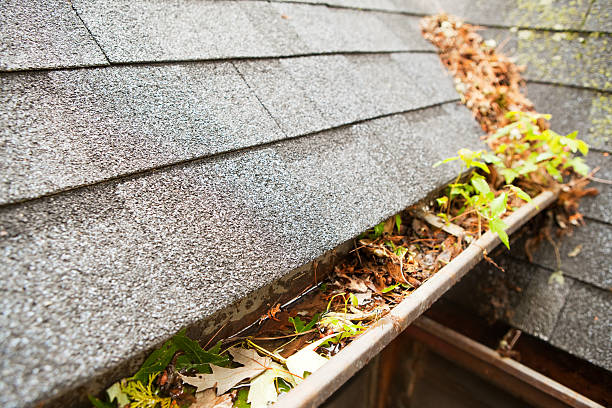
Most homeowners think of gutters as a water problem. In practice, a gutter that stays clogged through a Piedmont spring becomes a pest and wildlife problem too, and the two are more connected than they look.
Debris holds water against the roofline, water rots the wood underneath, rotted wood draws insects, and insects and standing water draw everything that eats them. If you have already dealt with a squirrel in the attic, a snake in the crawlspace, or an opossum under the deck, there is a real chance the gutters played a role in how it started.

Tap each stage to see what is actually happening and why it leads to the next one.
Each stage sets up the conditions for the next one, which is why a small gutter problem rarely stays small for long.
Each one is drawn to a different part of the same problem, which is why one clogged gutter can cause more than one kind of headache.

NC State Extension's guidance on carpenter ants is direct about the link between gutters and structural pests: keeping gutters and downspouts clear of debris prevents rainwater from damming up and overflowing onto fascia boards, and clogged gutters specifically are flagged as a cause of wood rot on fascia and soffits. Carpenter ants then target that softened wood because they prefer material with a moisture content of 15 percent or higher, a threshold rotting wood reaches easily.
That is often a moisture signal before it is an ant problem. Check our guide on dryer vent and roofline hazards for other moisture-related issues worth ruling out at the same time.
The EPA lists rain gutters by name as a standing water source to eliminate around a home. Vector control guidance is specific about the timeline: water sitting for roughly seven days or more is enough for mosquito eggs to hatch and mature into biting adults. A clogged gutter after two or three days of Piedmont rain is often already most of the way there.
| Day | What is happening in the standing water |
|---|---|
| Day 1 to 2 | Rainwater pools in debris-clogged sections instead of draining through the downspout. |
| Day 3 to 4 | Female mosquitoes locate the standing water and lay eggs on the surface. |
| Day 5 to 7 | Eggs hatch into larvae, which develop in the water over the following days. |
| Day 7+ | Adult mosquitoes emerge and disperse into the yard, porch, and surrounding area. |
Once insects and rodents establish themselves around a clogged, rotting gutter line, the animals that eat them are not far behind. This is the point where a gutter maintenance issue crosses over into the wildlife calls we handle most often.
Nesting material and an easy food source right at roof level make gutter debris an attractive first stop before an animal finds the rotted fascia gap that leads into the attic. See squirrels in the attic and where rats hide in your house for the next step in that chain.
Snakes are not drawn to clogged gutters directly, but a property with an active rodent population is a property snakes are more likely to visit. Our guide on snakes in the crawlspace or attic covers how to tell what you are looking at if one turns up.
Check what applies to your home. This is a general guide, not a substitute for an on-site inspection.
Most Piedmont homes with nearby trees need gutters cleared at least twice a year, generally late spring and late fall, with an extra check after major storms. Homes surrounded by pines or heavy tree cover often need a third cleaning mid-season.
Indirectly, yes. Clogged gutters hold debris and moisture that draw rodents, and rodents are the primary food source for the snake species most often found around North Carolina homes. A gutter problem left alone can work its way up the food chain.
They can. NC State Extension identifies clogged gutters as a direct cause of wood rot on fascia and soffits, and carpenter ants specifically prefer wood with a moisture content of 15 percent or higher, which rotting, water-damaged wood easily reaches.
Standing water that sits for about seven days or longer is enough time for mosquito eggs to hatch and develop into biting adults, according to vector control guidance. A clogged gutter after a rainy stretch can hit that window quickly.
Yes. Squirrels and rodents commonly use gutter debris as a staging point, then exploit the rotted fascia or soffit board a clogged gutter created to reach the attic directly. The gutter problem and the attic entry point are frequently the same root cause.
Watch for water stains or streaking on the fascia board, sagging or pulling-away gutter sections, visible plant growth in the gutter, soft or spongy wood near the roofline, and any new pest or wildlife activity close to the roof edge.
