What Burlington, Graham, and Mebane homeowners need to know about one of Alamance County’s most common wildlife problems
If you are hearing fast, light scratching or scurrying sounds from above your ceiling during daylight hours, there is a very good chance you have squirrels in your attic. They are one of the most common attic intruders in Alamance County, they are active year-round in North Carolina’s mild climate, and the damage they quietly cause behind your drywall is far more serious than most homeowners expect.
Squirrels look harmless from your back deck. In your attic, they are a different story entirely. They chew through insulation, destroy structural wood, contaminate your attic space with droppings and urine, and, most dangerously, gnaw on electrical wiring. That last habit is the one that should get your full attention.
Rodents, including squirrels, are estimated to be responsible for 20 to 25 percent of all house fires with undetermined causes in the United States each year, according to figures cited by the National Fire Protection Association (NFPA) and the National Pest Management Association. Industry professionals at Critter Control report that most attic remediations involving gray squirrels show signs of electrical wire damage.
This is not a pest you wait out. Here is everything you need to know about how squirrels get into Alamance County attics, the signs that confirm they are there, and the right way to get them out for good.
How Squirrels Get Into Your Attic
Squirrels only need a gap of about 3 inches to squeeze through, and they can chew almost any residential building material to make a small gap bigger. Wood, vinyl, aluminum, shingles, plastic venting, and even soft concrete are all workable for a motivated squirrel. Their incisors never stop growing throughout their lives, which means gnawing is a biological constant, not a choice.
They are also exceptional athletes. A squirrel can jump up to 5 feet vertically and 10 feet horizontally, meaning any tree branch within 10 feet of your roofline is effectively a boarding ramp to your attic. They also run utility lines and climb brick, wood siding, and downspouts without difficulty.
The most common entry points in Alamance County homes include:
- Gable vents: The triangular vents on the side of your roofline are the number one entry point for squirrels across the region. Older wire mesh corrodes over time and becomes easy to push through or chew away. Flimsy insect screening offers essentially no resistance.
- Roof vents: Plastic turbine vents and standard box vents are easy targets. Squirrels chew through plastic covers in minutes and can pry aluminum versions open with their teeth and claws.
- Soffits and fascia boards: Any section of rotted or water-damaged soffit or fascia is an invitation. Squirrels probe rooflines constantly and will find soft wood quickly. Construction gaps where the soffit panel meets the fascia board are also exploited without any chewing at all.
- Roof valleys and dormer junctions: Where two rooflines meet, flashing can separate over time as caulk dries and wood shifts. These gaps are often invisible from the ground but obvious to a squirrel working the roofline.
- Chimneys: An uncapped chimney is an open hole in your roofline. Squirrels will enter and nest on the smoke shelf or find their way into the attic through openings in the chase.
- Damaged or missing shingles: Any section of exposed roof deck gives squirrels a chewing starting point. They will work at exposed wood until they have an opening large enough to enter.

Signs You Have Squirrels in Your Attic
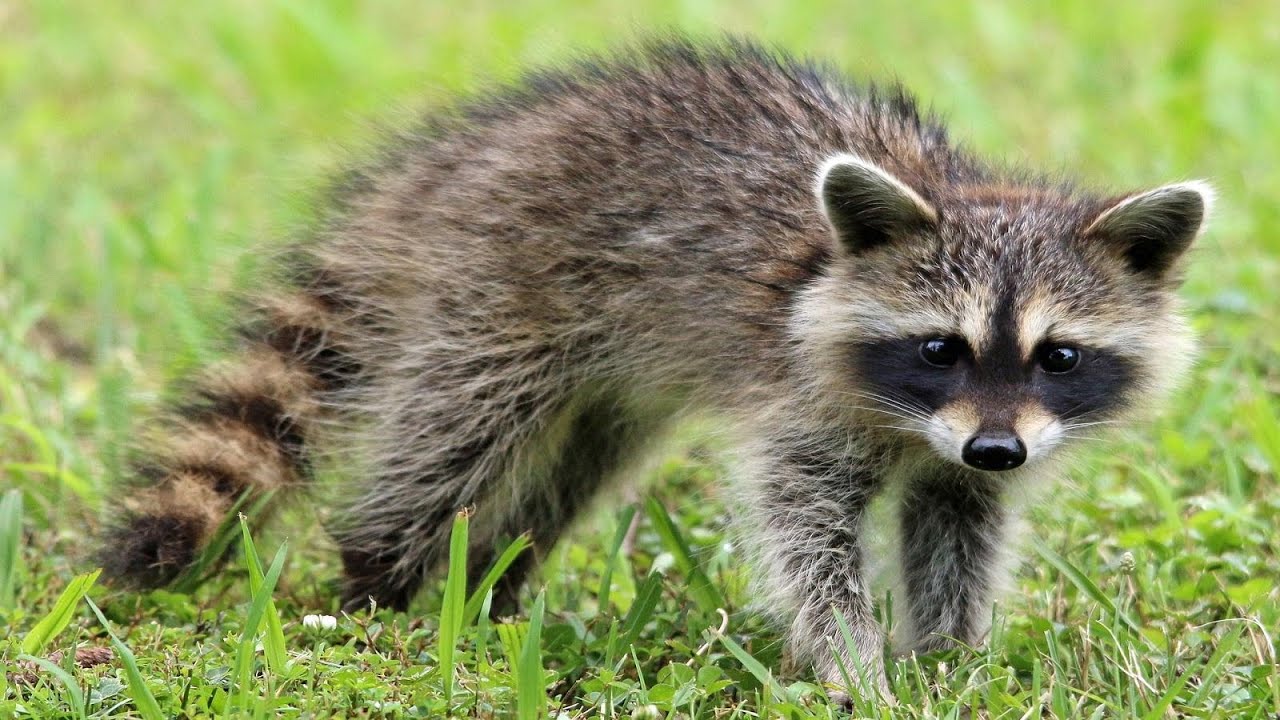
The most reliable way to distinguish a squirrel problem from other attic pests is timing. Squirrels are diurnal, meaning they are active during the day. Raccoons and mice are nocturnal. If your ceiling sounds busy in the early morning or late afternoon, squirrels are the likely culprit. If the sounds peak after dark, you are dealing with something else.
Other signs to look for:
- Rapid scurrying and scratching sounds from the attic, especially near dawn and before dusk when squirrels leave and return to their nest
- Small, pill-shaped droppings about 3/8 of an inch long, dark brown, with slightly tapered ends. They are smaller and lighter than raccoon droppings and cluster near nesting areas
- Gnaw marks on wooden beams, ductwork, and stored items in the attic. Look for fresh wood shavings and exposed insulation
- Nesting debris: shredded insulation, leaves, twigs, strips of fabric, and acorns or other stored food items gathered in a corner of the attic
- Exterior entry holes above gutters, around gable vents, or at any point where rooflines meet. Look for chew marks, dark grease smears from repeated body contact, and loose or missing mesh
- Ceiling staining from urine if the infestation has been active for some time
- Squirrels on your roof regularly, particularly if they are seen repeatedly near the same spot on the roofline
The Damage Squirrels Do: Why Fast Action Matters
A squirrel in your attic is not a minor nuisance. It is an active and ongoing threat to your home’s structure, and energy efficiency. Here is what they do once they are settled in:
Chewed Electrical Wiring
This is the most serious risk by a wide margin. Squirrels gnaw on attic wiring because their teeth never stop growing and wiring is simply in their path. When the plastic insulation around a wire is stripped away, the exposed copper generates heat. If that wire is resting against dry insulation, a wood joist, or nesting material, a fire can start with no visible warning. Nearly 20 percent of undetermined house fires in the U.S. are attributed to rodent wire damage, according to figures cited by the NFPA and fire investigation professionals. This is not a theoretical risk, it is a documented pattern that wildlife removal professionals encounter regularly during attic inspections.
Insulation Destruction
Squirrels tear blown-in and batt insulation apart to build nests and create travel paths. The compacted, shredded insulation left behind has a significantly reduced R-value, which means your home works harder to stay warm in winter and cool in summer. Energy bills go up, and the insulation usually needs full replacement after a significant infestation.
Structural Damage
Consistent gnawing on roof joists, rafters, and support beams causes real structural weakening over time. Squirrels will also chew through PVC plumbing vent pipes, which can cause slow leaks that lead to mold growth inside your walls before you ever notice the source.
Water Intrusion
Every entry hole a squirrel chews is an open gap in your roof envelope. Rain, humidity, and outside air move through that hole freely. Water damage and mold in attic framing frequently trace back to squirrel entry points that were never identified or sealed.
When Squirrels Are Most Active in Alamance County Attics
Squirrels have two breeding seasons per year, and both align with a spike in attic intrusions. The first runs from late January through April, when pregnant females seek warm, enclosed spaces to give birth and nurse their litters. The second runs from late July through October, when juveniles from the summer litter are old enough to leave the nest and begin establishing their own territory.
In North Carolina, mild winters mean squirrels never fully slow down. Gray squirrels, the most common species in Alamance County, are active year-round and do not hibernate. You can have a squirrel problem in any month, but late summer through fall is the period when homeowners most commonly discover an infestation, often because juveniles are creating new entry points or making more noise as they explore the attic.
Timing matters for removal: If baby squirrels are present, removal becomes more complicated. Kits that are too young to leave on their own will die inside the attic if the mother is excluded without them. A professional will assess whether young are present before proceeding.
How to Get Squirrels Out of Your Attic
The only permanent solution to squirrels in your attic is exclusion, which means getting them out and sealing every entry point with materials they cannot chew through. Trapping alone, repellents, and deterrents all fail without exclusion because squirrels will simply find or create a new entry point into a structure they have already identified as home.
One-Way Exclusion Doors
The most effective and humane removal method is installing a one-way door over the primary entry point. The squirrel exits to forage for food and water as it does every day, and the door locks behind it. All secondary entry points are sealed first so the main door is the only way out. Once the attic is confirmed empty, the door is removed and the final entry point is sealed permanently. This process typically takes 7 to 14 days of monitoring to ensure all animals have exited.
Live Trapping
In situations where one-way doors are not suitable, or where young squirrels are present, live cage traps baited with peanut butter, seeds, or fruit are placed at entry points. Caught squirrels are removed and relocated. Note that North Carolina has regulations regarding the relocation of wildlife, so trapping should be handled by a licensed professional who understands the rules.
What Does Not Work
Mothballs, ammonia, strobe lights, and ultrasonic repellers are consistently ineffective once squirrels are established in an attic. Squirrels habituate to these deterrents quickly and simply avoid them while continuing to use the rest of the space. Foam sealants and caulk alone will not hold, squirrels chew through both with ease.
Proper Sealing Materials
After removal, entry points must be sealed with materials squirrels cannot gnaw through. The industry standard includes galvanized hardware cloth (1/4 or 1/2 inch mesh) for vents and gaps, metal flashing at roofline junctions and fascia gaps, and steel or aluminum vent covers to replace any damaged plastic vents.
Prevention: Keeping Squirrels Out of Your Alamance County Home
- Trim tree branches to at least 8 to 10 feet away from your roofline. This is the single most impactful preventive step you can take.
- Replace plastic or aluminum gable vents with steel-screened covers. Standard insect mesh is not squirrel-proof.
- Inspect your roofline annually for rotted fascia, separated flashing, damaged soffits, and missing or cracked vent covers. Catch these before squirrels do.
- Install a chimney cap with a mesh screen if your chimney is uncapped.
- Check after storms. Wind damage to soffits, shingles, and vents creates fresh entry opportunities. Do a walk-around after any significant weather event.
My Recommendation for Alamance County Homeowners
I will be straightforward: if you have been hearing daytime scratching from your attic for more than a few days, do not wait. Every day a squirrel is in your attic is another day of potential wire damage, insulation destruction, and widening entry holes that invite more animals in. The longer you wait, the more extensive and expensive the remediation becomes.
I recommend calling a licensed wildlife removal company that offers full exclusion service, not just trapping. Removal without exclusion simply means you will have squirrels again within weeks. Ask specifically that all secondary entry points be sealed as part of the job, and ask for a warranty on the exclusion work.
If your attic has had an active squirrel infestation for more than a month, also ask about having an electrician inspect your wiring before you dismiss it as a minor problem. Given what professionals find during routine attic remediations involving gray squirrels, it is worth the peace of mind to know your wiring is intact.
Squirrels are fast, persistent, and they know your roofline better than you do. Get ahead of them before they get comfortable.