Have you ever wondered what exactly a chimney flue is and why it’s important? Well, you’re in the right place! In this article, we will explore the basics of chimney flues and provide you with a clear understanding of their purpose and how they work.
Whether you have a fireplace or wood-burning stove, knowing about chimney flues is essential for proper ventilation and safety. We will discuss the different types of chimney flues available and why it’s crucial to maintain them in good condition.
Additionally, we will address common misconceptions surrounding chimney flues to ensure that you have accurate information. So, if you want to learn more about what a chimney flue is and how it impacts your home’s ventilation system, keep reading.
Key Takeaways
- Chimney flues are essential components of fireplaces and wood-burning stoves.
- Flues safely carry harmful gases and smoke out of the home, improving safety and preventing toxic gases from entering the living space.
- Regular maintenance, such as inspections and cleanings, is necessary to prevent creosote buildup and reduce the risk of carbon monoxide poisoning.
- Proper ventilation provided by flues ensures efficient airflow, minimizes the buildup of flammable creosote, and allows for the safe release of harmful gases.
The Basics of Chimney Flues
Let’s talk about the basics of chimney flues and why you should pay attention to them. Chimney flues are essential components of your fireplace or wood-burning stove. They play a crucial role in ensuring the safe and efficient operation of these heating appliances.
A chimney flue is essentially a passageway that allows smoke, gases, and other byproducts of combustion to exit your home. It serves as a ventilation system for your fireplace or stove, preventing harmful fumes from entering your living space. Without a properly functioning flue, toxic gases like carbon monoxide could accumulate inside your home, posing serious health risks to you and your family.
Flues come in various shapes and sizes, but most commonly they are made from clay tiles or stainless steel liners. These materials are chosen for their durability and heat resistance properties. The size of the flue depends on the capacity of your fireplace or stove. Larger appliances require bigger flues to accommodate proper airflow.
Regular maintenance of your chimney flue is necessary to ensure its optimal performance. Over time, creosote buildup can occur inside the flue walls due to incomplete combustion. This sticky residue is highly combustible and can lead to chimney fires if not cleaned regularly.
In conclusion, understanding the basics of chimney flues is essential for every homeowner with a fireplace or wood-burning stove. By paying attention to these vital components and maintaining them properly, you can enjoy a warm and cozy fire while keeping yourself and your loved ones safe from potential hazards.
Understanding the Purpose of a Chimney Flue
In order to fully grasp the essence of a chimney flue, it is important to comprehend the underlying purpose it serves within a fireplace system. The chimney flue plays a vital role in maintaining the safety and functionality of your fireplace. Here are three reasons why understanding its purpose is crucial:
- Safety: The primary function of a chimney flue is to safely carry out harmful gases and smoke from your home. Without a properly functioning flue, these toxic fumes could seep back into your living space, putting you and your family at risk of carbon monoxide poisoning. Understanding this purpose emphasizes the importance of regular maintenance and inspections to ensure that your flue is clear and functioning correctly.
- Efficiency: A well-designed chimney flue helps improve the efficiency of your fireplace by drawing in fresh air for combustion while expelling exhaust gases. This efficient airflow ensures that your fire burns hotter and cleaner, providing more warmth with less fuel consumption. By understanding this purpose, you can make informed decisions about choosing the right size and design for optimal performance.
- Structural Integrity: Another significant purpose of a chimney flue is to protect the structural integrity of both your fireplace and home. As smoke rises through the flue, it creates an upward draft that prevents heat from escaping into surrounding walls or ceilings, reducing the risk of fire hazards or damage caused by excessive heat exposure.
By comprehending these essential purposes of a chimney flue – safety, efficiency, and structural integrity – you can appreciate its critical role in maintaining a functional fireplace system while ensuring the well-being of everyone in your home. Regular maintenance, inspections, and understanding how different factors affect its performance will help you maximize its benefits for years to come.
How a Chimney Flue Works
To truly understand how your fireplace functions, it’s important to grasp the inner workings of its essential component: the chimney flue. The chimney flue is a passageway that allows smoke and gases to escape from your home when you use your fireplace or stove. It acts as a ventilation system for your fireplace, ensuring that all the byproducts of combustion are safely carried out of your house.
So how does a chimney flue work? Well, when you light a fire in your fireplace, the hot air and smoke rise up through the flue and out of your home. This happens because of a phenomenon called ‘stack effect.’ As the hot air rises, it creates an upward draft that pulls fresh air into the firebox, feeding the flames and helping with combustion.
The size and design of the chimney flue play a crucial role in its functionality. A properly sized flue ensures that there is enough airflow to carry away all the smoke and gases without any blockages or backdrafts. Additionally, some chimney flues have dampers that can be opened or closed to control airflow.
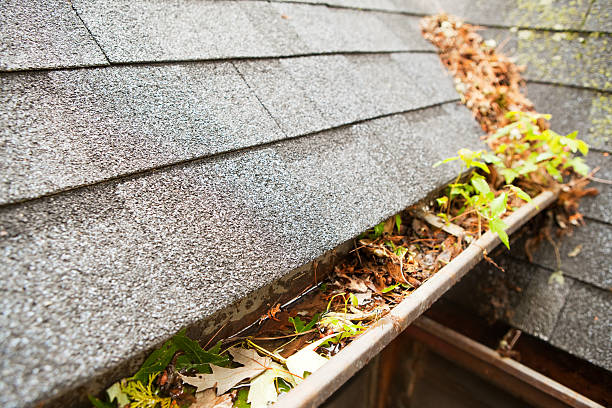
It’s important to keep your chimney flue clean and well-maintained to ensure its proper functioning. Regular inspections and cleanings will prevent any build-up of creosote or debris that could potentially cause blockages or even fires.
In conclusion, understanding how a chimney flue works is vital for anyone who uses their fireplace regularly. It enables you to appreciate its importance in keeping your home safe from harmful gases while enjoying cozy fires during those cold winter nights.
Types of Chimney Flues
Different homes require different types of passageways for smoke and gases to escape when using a fireplace or stove. That’s where chimney flues come in.
Chimney flues are the channels that run through your chimney, allowing smoke and other byproducts to exit your home safely.
There are several types of chimney flues available, each with its own unique features and benefits.
One common type is the clay tile flue. These flues are made from clay tiles stacked on top of each other to create a passage for the smoke. Clay tile flues have been used for centuries and are known for their durability and ability to withstand high temperatures.
Another popular option is the stainless steel liner. Stainless steel liners are flexible tubes that can be inserted into an existing chimney or installed during construction. They are highly resistant to corrosion and can handle high heat levels, making them a great choice for wood-burning fireplaces.
For those who prefer a more traditional look, a cast iron or masonry flue might be the way to go. Cast iron flues are made from durable iron material and provide excellent heat retention properties. On the other hand, masonry flues are constructed using bricks or stone and offer a classic aesthetic appeal.
Lastly, there are also double-wall insulated metal flues available on the market. These flues consist of two metal walls with insulation in between, providing increased safety by reducing the risk of heat transfer to combustible materials surrounding the chimney.
In conclusion, understanding the different types of chimney flues is essential when it comes to choosing which one is right for your home. Whether you opt for clay tile, stainless steel liner, cast iron/masonry, or double-wall insulated metal flue depends on factors such as personal preference, budget, and specific requirements of your fireplace or stove setup.
Importance of Proper Ventilation
Proper ventilation is crucial to prevent carbon monoxide poisoning and reduce the risk of chimney fires.
You need to ensure that your chimney flue is clear and free from any blockages, as this allows for the safe release of harmful gases like carbon monoxide.
By maintaining good airflow in your chimney, you can also minimize the buildup of flammable creosote, which significantly decreases the chances of a dangerous chimney fire occurring.
Preventing Carbon Monoxide Poisoning
Regularly inspecting and cleaning your chimney flue can significantly reduce the risk of carbon monoxide poisoning in your home. Carbon monoxide is a colorless and odorless gas that can be produced when fuel is burned. It can leak into your home if there are cracks or blockages in your chimney flue, leading to serious health issues or even death.
To prevent this, it is essential to have your chimney flue inspected and cleaned by a professional at least once a year. They will ensure that there are no obstructions or damages that could potentially allow carbon monoxide to enter your living space.
By taking these preventive measures, you can create a safer environment for yourself and your loved ones.
Reducing the Risk of Chimney Fires
To ensure the safety of your home, it’s crucial to reduce the risk of chimney fires. Chimney fires occur when creosote, a highly flammable substance that builds up in the flue lining over time, ignites. To prevent this dangerous situation, regular chimney maintenance is essential.
Firstly, make sure to schedule annual inspections and cleanings by a professional chimney sweep who will remove any accumulated creosote.
Secondly, avoid burning unseasoned wood or using excessive amounts of paper and cardboard, as these can contribute to creosote buildup.
Additionally, installing a chimney cap with spark arrestors will prevent embers from escaping and potentially landing on your roof or yard.
By taking these precautions and keeping your chimney clean and well-maintained, you can significantly reduce the risk of devastating chimney fires in your home.
Stay safe!
Signs of a Damaged or Blocked Chimney Flue
If you notice smoke filling your living room instead of rising up the chimney, it’s a clear sign that your chimney flue may be damaged or blocked. This can be a serious problem because the chimney flue is responsible for carrying out the harmful gases and smoke produced by your fireplace or wood-burning stove. When the flue is damaged or blocked, these dangerous substances can’t escape properly, putting you at risk of carbon monoxide poisoning and chimney fires.
There are several other signs that indicate a damaged or blocked chimney flue. One common sign is a strong, unpleasant odor coming from your fireplace or stove. This odor could be caused by creosote buildup in the flue, which is highly flammable and can lead to chimney fires if not cleaned regularly.
Another sign to watch out for is excessive amounts of soot in your fireplace or around the area where your stovepipe connects to the chimney. This could mean that there is a blockage preventing proper airflow.
You may also notice water leaking into your fireplace or dampness on the walls surrounding your chimney. This could indicate damage to the flue liner, allowing water to seep through and cause further deterioration.
Additionally, if you hear strange noises coming from your chimney, such as chirping birds or scurrying animals, there might be debris blocking the flue.
If you observe any of these signs, it’s crucial to address them promptly by contacting a professional chimney sweep or technician. They will be able to assess the condition of your chimney flue and determine whether repairs are needed.
Remember, ignoring a damaged or blocked flue can have severe consequences for both your safety and the integrity of your home.
Regular Maintenance and Cleaning of Chimney Flues
Maintaining and cleaning your chimney flue regularly is essential for ensuring the safety and efficiency of your fireplace or wood-burning stove. Over time, soot, debris, and creosote can build up in the flue, which can lead to blockages or even chimney fires. By following a regular maintenance and cleaning routine, you can prevent these potential hazards and keep your chimney in optimal condition.
One important aspect of maintaining your chimney flue is scheduling annual inspections by a professional chimney sweep. They have the expertise to identify any issues or damage that may have occurred during the previous year. Additionally, they can remove any built-up deposits and recommend necessary repairs or cleanings.
Regular cleaning of the chimney flue is also crucial. This involves removing any accumulated soot and creosote from the walls of the flue. Creosote is highly combustible and can ignite if not properly removed. To effectively clean your chimney flue, consider using a wire brush attached to a long handle to scrub away residue.
Here’s an example table showcasing some maintenance tasks:
| Task | Frequency |
|---|---|
| Annual inspection | Once a year |
| Cleaning | Twice a year |
| Check for blockages | Monthly |
| Replace damaged parts | As needed |
| Clear debris from cap or spark arrestor | Regularly |
By adhering to these maintenance tasks on a regular basis, you’ll ensure that your chimney flue remains clear of obstructions and functioning optimally all year round. Remember, neglecting proper maintenance could result in costly repairs down the line or even pose serious risks to your home’s safety.
Hiring a Professional Chimney Sweep
Hiring a professional chimney sweep is crucial for ensuring the safety and efficiency of your fireplace or wood-burning stove. Here are four reasons why you should consider hiring a professional chimney sweep:
- Experience and Expertise: Professional chimney sweeps have the necessary experience and expertise to thoroughly inspect and clean your chimney flue. They are trained to identify any potential issues, such as blockages or creosote buildup, which can lead to dangerous situations like chimney fires.
- Proper Equipment: Chimney sweeps have specialized tools that enable them to remove debris and soot from your chimney effectively. They also have equipment like cameras that allow them to assess the condition of your flue from top to bottom, ensuring nothing goes unnoticed.
- Time-Saving: Cleaning a chimney flue can be a time-consuming task, especially if you lack experience or proper equipment. By hiring a professional, you can save yourself the hassle and dedicate your time to other important tasks.
- Prevention is Key: Regular maintenance by a professional chimney sweep can help prevent potential problems before they escalate into costly repairs or hazardous situations. By addressing minor issues promptly, you can avoid major damage down the line.
Remember that neglecting regular maintenance and cleaning of your chimney flue can result in decreased efficiency, increased risk of fires, carbon monoxide poisoning, or even structural damage to your home. Hiring a professional will give you peace of mind knowing that your fireplace or wood-burning stove is safe and functioning properly.
So don’t hesitate – schedule an appointment with a professional chimney sweep today!
Upgrading or Repairing a Chimney Flue
If you’ve recently hired a professional chimney sweep to clean your chimney, it’s important to consider the condition of your chimney flue. The chimney flue is an essential component of your fireplace system that helps to safely vent smoke and gases out of your home. Over time, flues can become damaged or deteriorated, which can lead to a variety of issues such as poor draft, leaks, or even carbon monoxide poisoning.
Upgrading or repairing your chimney flue is a smart decision that will ensure the continued safety and efficiency of your fireplace. There are several options available when it comes to upgrading or repairing your chimney flue, depending on the extent of the damage and your specific needs.
One option is to install a stainless steel liner inside the existing flue. This creates a new, smooth surface for better airflow and improved draft. Another option is to completely replace the old flue with a new one made from durable materials such as clay tile or cast iron.
To help you visualize these options, here’s a comparison table:
| Option | Benefits | Considerations |
|---|---|---|
| Stainless Steel | – Improved airflow | – May require professional installation |
| Liner | – Better draft | – Can be more expensive |
| Replacement | – Durable materials | – Requires demolition |
No matter which option you choose, it’s crucial to consult with a professional chimney expert who can assess your specific situation and provide guidance on the best course of action. By upgrading or repairing your chimney flue, you’ll not only enhance safety but also prolong the lifespan of your fireplace system.
Chimney Flue Safety Tips
When it comes to chimney flue safety, there are three key points you should keep in mind.
First, make sure to install carbon monoxide detectors near your fireplace or wood-burning stove to alert you if there is a dangerous buildup of this odorless gas.
Second, always use proper fuel for your fire and avoid burning materials that can release harmful toxins or create excessive smoke.
Lastly, ensure proper ventilation by keeping the damper open during use and having regular inspections to check for any blockages or obstructions in the flue.
Installing Carbon Monoxide Detectors
To ensure your safety, make sure you’ve got a carbon monoxide detector installed properly in your home’s chimney flue. Carbon monoxide is a deadly gas that can be released during the combustion process in your fireplace or heating system. Here are four important steps to follow when installing a carbon monoxide detector:
- Choose the right location: Install the detector near the ceiling, as carbon monoxide is lighter than air and tends to rise.
- Test regularly: It’s crucial to test your detector monthly and replace its batteries twice a year to ensure it’s functioning correctly.
- Follow manufacturer instructions: Read and understand the installation instructions provided by the manufacturer before starting the installation process.
- Consider interconnected detectors: If possible, connect multiple detectors throughout your home so that if one goes off, they all sound an alarm, providing early warning for everyone in your household.
By following these steps, you can help keep yourself and your loved ones safe from carbon monoxide poisoning.
Using Proper Fuel and Ventilation
Ensure your safety by using the proper fuel and ensuring proper ventilation in your home’s heating system.
Using the correct type of fuel for your specific heating system is crucial. Make sure you are using the fuel recommended by the manufacturer to prevent any potential hazards or damage. Using improper fuel can lead to a build-up of harmful gases, such as carbon monoxide, which can be extremely dangerous.
Additionally, it is important to ensure proper ventilation in your home’s heating system. Proper ventilation allows for the safe release of combustion byproducts outside of your home, preventing them from accumulating indoors. Regularly check and clean your vents and flue to ensure they are clear from any blockages that could hinder proper ventilation.
Taking these precautions will help keep you and your family safe from potential harm caused by improper fuel usage or inadequate ventilation in your home’s heating system.
Common Misconceptions About Chimney Flues
Did you know that chimney flues are often misunderstood? Let’s clear up some common misconceptions! One of the most prevalent misconceptions is that a chimney flue is the same thing as a chimney. However, this is not true. The chimney is the entire structure, while the flue refers specifically to the passageway within the chimney that allows smoke and gases to escape.
Another misconception is that all chimneys have flues. While it’s true that most chimneys do have flues, there are some exceptions. For example, certain types of gas fireplaces may not require a flue because they produce clean-burning fuel and don’t create as much smoke or toxic gases.
Furthermore, some people believe that a larger flue will always provide better ventilation. In reality, the size of the flue needs to be properly matched with the size and type of fireplace or stove it serves. If the flue is too large for the appliance, it can lead to poor draft and inefficient operation.
To help visualize these concepts, here’s a table comparing different types of chimneys and their corresponding flues:
| Chimney Type | Flue Type |
|---|---|
| Masonry | Clay tile or stainless steel liner |
| Metal | Stainless steel |
| Prefabricated | Double-wall metal |
By understanding these common misconceptions about chimney flues, you can ensure proper use and maintenance of your fireplace or stove. Remember to regularly inspect and clean your chimney to prevent any potential hazards.
Conclusion: The Importance of a Well-Maintained Chimney Flue
Take care of your fireplace by maintaining your chimney flue, as it plays a crucial role in keeping your home safe and efficient. The conclusion is clear: a well-maintained chimney flue is of utmost importance.
A properly functioning flue ensures that the gases produced during combustion are safely vented out of your home. Without it, these harmful gases, including carbon monoxide, can seep back into your living space, posing serious health risks to you and your family.
Additionally, a well-maintained chimney flue promotes the efficiency of your fireplace or wood-burning stove. It allows for proper airflow, which helps fuel burn more efficiently and reduces the risk of smoke backdrafts. By keeping the flue clean and free from obstructions like creosote buildup or debris, you ensure that smoke can easily escape through the chimney without backing up into your home.
Regular maintenance and cleaning of the chimney flue also prevent potential fire hazards. Creosote buildup is highly combustible and can ignite if not removed regularly. A blocked or damaged flue can also lead to chimney fires or excessive heat transfer to nearby combustible materials.
In conclusion, neglecting your chimney flue can have serious consequences for both safety and efficiency in your home. Regular inspections by a professional chimney sweep are recommended to identify any issues or necessary repairs promptly. Remember to schedule regular cleanings to remove creosote buildup and keep the flue functioning optimally. By taking these preventative measures, you will enjoy a safer and more efficient fireplace experience while protecting yourself and loved ones from potential harm.
Frequently Asked Questions
Can a chimney flue be used for any other purpose besides venting smoke?
Yes, a chimney flue can serve other purposes besides venting smoke. It can also be used for ventilation, removing gases and odors from your home. Additionally, it can be utilized for providing a passage for cables or pipes.
How often should a chimney flue be cleaned?
You should clean your chimney flue at least once a year to remove creosote buildup and prevent chimney fires. Regular cleaning also ensures proper ventilation and improves the efficiency of your fireplace or wood-burning stove.
What are some common signs of a damaged chimney flue?
Look out for signs like cracked or deteriorating bricks, water leaks, or excessive smoke in the house. These can indicate a damaged chimney flue that needs immediate attention to prevent further issues.
Is it possible to install a chimney flue without a chimney?
No, it’s not possible to install a chimney flue without a chimney. A chimney flue is a pipe that carries smoke and gases from the fireplace or furnace out of your home through the chimney.
Are there any specific regulations or building codes that govern chimney flue installations?
Yes, there are specific regulations and building codes that govern chimney flue installations. These guidelines ensure safety and proper functionality of the flue system in accordance with local building standards.
Conclusion
In conclusion, maintaining a well-functioning chimney flue is crucial for the safety and efficiency of your fireplace. By understanding what a chimney flue is and how it works, you can ensure proper ventilation and prevent potential hazards.
A chimney flue is a passageway that allows smoke and gases to escape from your fireplace or stove. It is typically made of clay, metal, or concrete and is installed inside the chimney.
The purpose of a chimney flue is to create a draft that pulls smoke and gases out of your home. It also helps to prevent heat from escaping through the chimney, which improves the efficiency of your fireplace.
Regular maintenance is important to keep your chimney flue in good condition. This includes cleaning the flue to remove creosote buildup, inspecting it for any cracks or damage, and repairing or replacing any worn-out parts.
Upgrades may also be necessary if your chimney flue is old or outdated. This could involve installing a new liner or adding a chimney cap to improve ventilation and prevent animals or debris from entering the flue.
By following these tips and addressing any repairs promptly, you can enjoy a warm and cozy fire while keeping your home safe. So, make sure to prioritize the maintenance of your chimney flue for a worry-free fireplace experience.