Research-backed guide for Burlington, Graham, Mebane, and surrounding Alamance County communities
If you live in Burlington, Graham, Mebane, or anywhere in Alamance County, North Carolina, there is a real and growing chance that a family of raccoons has moved into your attic. The good news: the signs you have raccoons in your attic are usually unmistakable once you know what to look for. The bad news: by the time most homeowners notice those signs, the damage is already mounting.
This guide covers every major sign of a raccoon infestation, what raccoon droppings and entry points look like, why do-it-yourself removal in North Carolina is riskier than most people realize, and what your next step should be if you suspect you have unwanted guests living above your ceiling.
What This Article Covers
- Quick Facts About Raccoons in NC
- The 10 Signs You Have Raccoons in Your Attic
- Why DIY Removal Is Risky in North Carolina
- What Raccoon Attic Damage Actually Costs
- Health Risks: What Research Says
- Prevention Tips for Alamance County Homeowners
- What to Do If You Spot These Signs
- Raccoons vs. Other Attic Pests
- Why Raccoons Choose Your Attic
- My Recommendation
- Sources
Quick Facts: Raccoons and North Carolina Homes
Before diving into the specific warning signs, here is some context that gives these signs the weight they deserve. According to the North Carolina Wildlife Resources Commission (NCWRC), raccoons are found statewide but are most abundant in the Coastal and Piedmont regions. Alamance County sits firmly in the Piedmont, which means your neighborhood is prime raccoon territory.
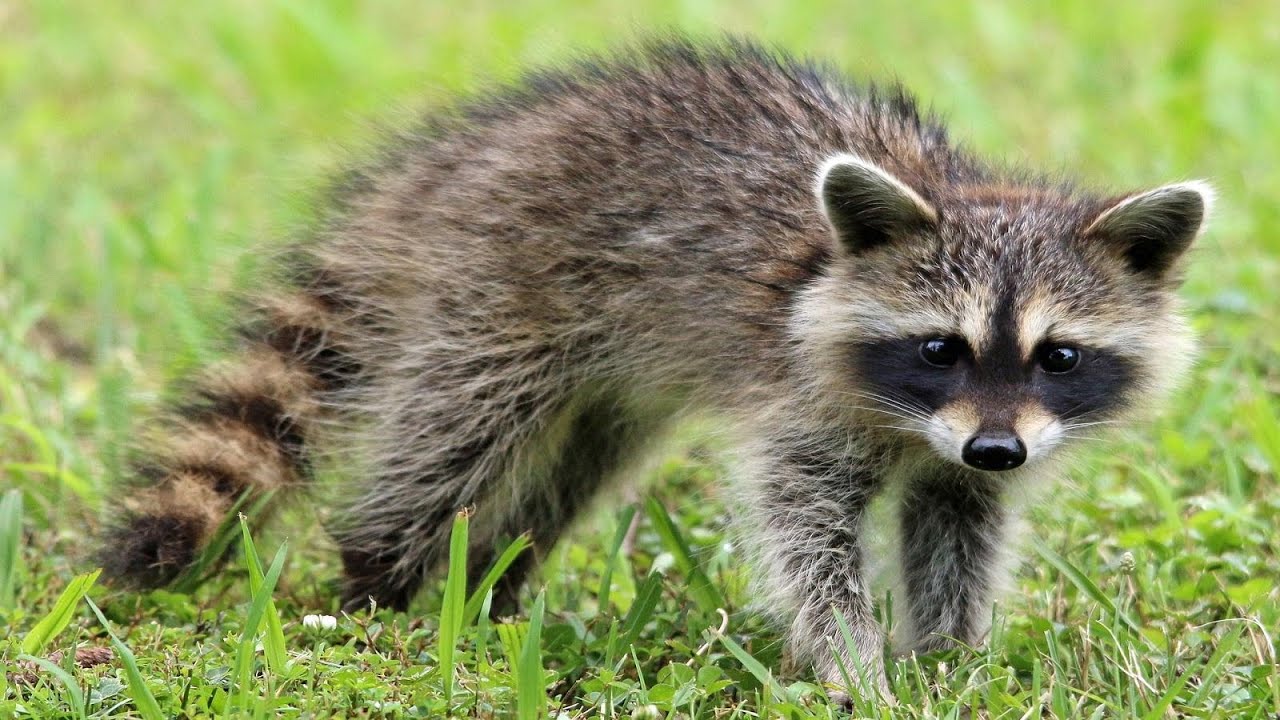
Raccoons are not true hibernators. Unlike bears or groundhogs, they remain active throughout winter, venturing out on warmer nights to forage. They can cover 3 to 5 miles in a single night according to wildlife researchers, and they can eat up to 5 pounds of food in one outing to build up fat reserves. They are also highly intelligent, with the physical dexterity to open latches, pry apart soffits, and tear through aluminum venting.
Raccoon breeding season in North Carolina runs from February through April, according to NCpedia, published by the North Carolina Wildlife Resources Commission. This is the peak period when mother raccoons seek warm, enclosed spaces to give birth and nurse their kits. Your attic, from a raccoon’s perspective, is the perfect maternity ward: hidden from predators, warm, dry, and close to a steady food source.
According to a wildlife control professional with a decade of industry experience, the minimum repair estimate for raccoon attic damage is typically $4,000, and it frequently climbs much higher when wiring, insulation, and structural materials are involved.

Signs You Have Raccoons in Your Attic
You do not need to see a raccoon face-to-face to know one is living in your home. These animals leave behind a trail of evidence that is hard to miss once you know what to look for.
1. Heavy Thumping Sounds at Night
Raccoons are nocturnal, meaning they sleep during the day and become active after dark. If you are hearing loud thumping, stomping, or shuffling sounds coming from your attic in the evening or early morning hours, raccoons are the most likely culprit. Because of their size, typically 8 to 25 pounds with an average around 15 pounds, they cannot move quietly. Their footfalls are noticeably heavier than the scratching and scurrying sounds made by mice, rats, or squirrels.
Raccoons are also vocal animals. You may hear growls, grunts, hisses, chattering, or high-pitched mewing cries. Those baby-bird-like chirping sounds coming from your ceiling? Those are very likely raccoon kits. Many homeowners mistake the cries of young raccoons for birds nesting in the roof, which delays action and gives the family time to become established.
2. Raccoon Droppings (Scat) in Your Attic
One of the most definitive signs of a raccoon infestation is finding raccoon scat, and this is something you need to treat with serious caution. Raccoons do not scatter their waste randomly. Instead, they create communal latrine sites and return to the same spot repeatedly. In an attic, this results in a concentrated accumulation of feces in one or several locations.
What raccoon droppings look like: They are dark and cylindrical, typically 3 to 5 inches long and about 3/4 of an inch thick, with blunted ends. They often contain seeds, berry fragments, or other food debris. Over time, a latrine site can build up into a significant mound of waste.
This matters for reasons that go far beyond aesthetics. According to the Centers for Disease Control and Prevention (CDC), raccoon droppings can contain eggs of a parasite called Baylisascaris procyonis, commonly known as raccoon roundworm. These eggs are microscopic, become airborne when droppings dry out, and can remain infectious in soil or on surfaces for years. The CDC notes that no drug has been found to be completely effective against this parasite in people.
Never sweep, vacuum, or disturb raccoon droppings without professional protective equipment. Disturbing dried scat aerosolizes the eggs. This is not a cleanup job for a regular household mop and gloves.
3. Strong, Persistent Odors
Raccoons have a naturally musky scent, and their urine carries a pungent smell that becomes difficult to ignore as it builds up. If you notice a foul, ammonia-like odor in your attic or seeping into living areas below, accumulated raccoon waste is a primary suspect. The smell can also come from decaying food the raccoons have dragged in, or in severe cases, from a deceased animal.
According to King County, Washington Public Health, raccoon urine can spread Leptospirosis, a bacterial disease that contaminates soil and water. People and pets can contract it by contact with contaminated surfaces through broken skin or mucous membranes.
4. Visible Damage to Your Roof, Soffits, or Vents
Raccoons do not sneak quietly through pre-existing gaps. They create their own entry points. Their strong claws and upper body strength allow them to tear through shingles, rip open vinyl soffits, pry off vent covers, and pull apart roof flashing. Evidence of forced entry is often visible from the ground if you walk around your home and look up at the roofline.
Common entry points to inspect:
- Soffits: The underside of your roof overhang is the single most common raccoon entry point. Raccoons use the roof for leverage and their shoulders to push up thin aluminum or vinyl soffit panels.
- Roof vents: Plastic and lightweight aluminum vent covers are no match for a determined raccoon. They can feel warm air escaping from your attic through vents and will work to remove the cover.
- Chimneys: An uncapped chimney mimics a hollow tree cavity, which is one of the raccoon's preferred natural den sites. Mother raccoons frequently climb down chimneys to nest on the damper shelf.
- Roof-soffit intersections (RSI): Any area where an upper and lower roof section meet creates a natural ledge raccoons use for leverage to pry open the soffit.
- Plumbing vent stacks: The rubber flashing around pipe vents on your roof deteriorates over time, and raccoons will pull and tear it away to squeeze through the gap underneath.
- Fascia boards and rotted wood: Moisture and temperature cycles deteriorate roof edges. Raccoons exploit these weak points by chewing through softened wood at the roofline.
If you find damage around any of these areas, inspect closely for claw marks, dark smear stains from repeated body contact, and hair caught on rough edges. These are reliable physical indicators that a raccoon has used that spot as an entry point.
5. Disturbed Insulation and Nesting Materials
Once inside your attic, raccoons flatten and rearrange insulation to create sleeping areas, which dramatically reduces your home’s thermal efficiency. The compacted and displaced insulation no longer creates a proper air barrier, which translates directly to higher heating and cooling costs. If your energy bills have crept up unexpectedly and you cannot explain why, it may be worth checking your attic.
You may also find debris brought in from outside, such as leaves, twigs, grass, fabric scraps, and food remnants. Raccoons are not shy about destroying cardboard boxes, stored clothing, or other items you may have stored up there.
6. Paw Prints and Track Marks
Raccoon footprints are distinctive: they look like small human hands, with five long finger-like toes. You may find their tracks in attic dust, on air conditioning ductwork, on your roof, in mud around your foundation, or in snow during winter months. Raccoons also leave dark smear marks along downspouts, siding, and roofline areas they climb regularly.
7. Ceiling Stains and Structural Moisture
If raccoons have been in your attic long enough, their accumulated urine will eventually saturate the insulation and subfloor beneath it. This creates yellowish-brown staining visible on your ceiling from inside your living space. By the time stains appear on your ceiling, you are dealing with a significant and longstanding infestation. The moisture also creates conditions favorable for mold growth.
8. Signs Around Your Yard and Property
Raccoon activity in your attic is often preceded or accompanied by signs in your yard: overturned garbage cans, torn garbage bags, scattered trash, damaged bird feeders, holes dug in your lawn for grubs and earthworms, and damage to garden vegetables. Seeing these signs regularly is a strong indicator that raccoons are living close by, possibly in your attic.
9. Grease Marks and Entry Wear Patterns
A raccoon that uses the same entry point daily builds up a pattern of wear on the materials around that opening. Look for dark, greasy smudges on soffit edges, vent covers, or around any hole in your roofline. These marks come from the natural oils in the raccoon’s fur being deposited with each pass. This is one of the most reliable indicators that a specific spot is being actively used.
10. Activity Changes by Season
Raccoons in North Carolina are more active year-round than those in northern states because Alamance County’s winters are relatively mild. According to NCpedia (NCWRC), raccoons in North Carolina do not truly hibernate. They enter a deep-sleep state called torpor during cold snaps, but they remain active and present in their dens throughout the season.
The key seasonal pattern to know: January through May is peak raccoon activity in attics, corresponding to breeding season and birth of kits. A single female raccoon can give birth to a litter of 2 to 5 kits. If you hear or smell something unusual in your attic during this period, act quickly.
Why DIY Raccoon Removal Is Risky in North Carolina
Many homeowners, upon discovering raccoons in their attic, immediately reach for a live trap purchased at the hardware store. However, there are legal and practical reasons why this approach often creates bigger problems than it solves.
The Legal Reality in North Carolina
North Carolina has specific laws governing the handling of raccoons that are more restrictive than many homeowners realize. According to the North Carolina Wildlife Resources Commission, because raccoons are classified as a rabies vector species, they cannot be trapped and relocated under any circumstances in North Carolina. Any raccoon you trap must either be euthanized on site or released back onto the same property where it was caught. Simply driving a raccoon across town and releasing it is illegal under state law.
The NC General Statutes Chapter 113, Article 22 also requires a Depredation Permit from the NCWRC for trapping outside the regulated trapping season. Trapping without the required license or permit can result in legal penalties.
The Mother and Kits Problem
The most common DIY mistake is removing only the adult raccoon while leaving a litter of kits behind in the attic. Mother raccoons are highly protective and will repeatedly try to return to their young. If the entry point is sealed while the babies are still inside, the mother may cause significant damage trying to get back in. The kits will eventually die in the attic, creating a persistent odor and attracting insects.
A wildlife removal professional will inspect the attic, locate the entire family, and remove every raccoon before sealing entry points. Addressing the entire family at the same time helps prevent recurring problems and additional property damage.
Rabies Concerns
Raccoons are the most frequently reported rabies carriers among wildlife species in the eastern United States. The NCWRC’s survey data confirms that skunks and raccoons are the primary terrestrial rabies vector species in North Carolina, excluding bats. A frightened or cornered raccoon may bite or scratch, and any raccoon bite should be evaluated by a medical professional as soon as possible.
Repellents Do Not Work
Mothballs, ammonia-soaked rags, bright lights, and loud radios are generally ineffective. Field experience from wildlife removal professionals shows that raccoons quickly become accustomed to these deterrents and continue using their established den site. The only possible exception is raccoon eviction fluid, which may help only when a mother raccoon has very recently moved in with newborn kits. It is not effective for an established infestation.
What Does Raccoon Attic Damage Actually Cost?
Part of what makes raccoon infestations so damaging is the wide range of home systems they compromise. Here is a realistic breakdown of repair costs based on industry data:
| Damage Type | Estimated Cost Range |
|---|---|
| Insulation replacement | $500 to $3,000+ ($1 to $7 per sq ft) |
| Roof and shingle repair | $150 to $8,000 |
| Soffit and fascia repair | $600 to $6,000 |
| Electrical wiring repair | $150 to $2,000 (chewed wiring = fire hazard) |
| Attic sanitation and decontamination | $1,000 to $3,000 |
| HVAC duct repair | Variable (raccoons routinely damage ductwork) |
| Professional removal and exclusion | $200 to $600 per animal + $500 to $2,500 for sealing |
Raccoons are not rodents under most insurance policy definitions, which means standard homeowners insurance may cover raccoon structural damage but will not cover the removal itself. Review your policy carefully and document all damage with photos before any cleanup begins.
Industry data shows that delaying raccoon removal by as little as two to three weeks can turn a $600 problem into an $8,000 to $10,000 repair scenario once damage to insulation, wiring, and structure is fully accounted for.
The Health Risks of Raccoons in Your Attic: What Research Says
The structural damage raccoons cause is serious, but the public health dimension is equally important and often underestimated. Here is a research-backed look at the primary concerns.
Raccoon Roundworm (Baylisascaris procyonis)
This is the most significant public health concern associated with raccoons in residential settings. A 2011 study published in CDC’s Emerging Infectious Diseases found that up to 82% of adult raccoons and 90% of juvenile raccoons carry the parasite, with each mature female worm producing thousands of eggs daily. According to the CDC’s DPDx Parasitic Disease resource, prevalence in raccoons sometimes exceeds 80%, and the parasite has been expanding into southeastern states where it was historically rare or absent.
A 2016 CDC MMWR study found that while all seven patients survived, approximately half were left with severe and permanent neurological deficits. Children under two years of age and those with developmental disabilities face the greatest risk. A 2024 MMWR report described two baylisascariasis cases in children in Los Angeles County after contact with raccoon feces that had fallen from a rooftop latrine.
The eggs are shed in raccoon feces, take 2 to 4 weeks to become infective, and can survive in soil for years. They are invisible to the naked eye and can become airborne when dried feces are disturbed. This is why raccoon attic latrines represent a long-term risk even after the animals have been removed.
Leptospirosis
Leptospirosis is a bacterial disease spread through raccoon urine. Humans and pets can contract it through contact with contaminated soil, water, or surfaces via broken skin or mucous membranes. According to King County Public Health, infection can cause influenza-like symptoms, severe head and muscle aches, high fever, and in serious cases, liver and kidney damage.
Rabies
Raccoons are the primary terrestrial rabies vector in the eastern United States. The NCWRC’s field survey data confirms that raccoons and skunks are the most commonly reported rabies-positive wildlife species in North Carolina. Any animal bite requires prompt medical attention.
Secondary Parasite Transfer
Raccoons carry fleas, ticks, and mites into whatever space they occupy. Once a raccoon is removed, these parasites do not leave on their own. They may migrate through the structure into living spaces and transfer to household pets and family members. Ticks from raccoons can carry Lyme disease. A thorough professional remediation includes ectoparasite treatment in addition to fecal cleanup.
Prevention: How to Make Your Alamance County Home Less Attractive to Raccoons
You cannot fully raccoon-proof a home without professional exclusion work, but these steps meaningfully reduce your risk:
- Secure your trash cans: Use containers with locking or strap-down lids. Raccoons are intelligent enough to open standard pull-off lids with ease.
- Remove food sources: Do not leave pet food outdoors overnight. Pick up fallen fruit from trees. Cover compost bins with secure lids.
- Trim tree branches: Branches that hang over or near your roofline give raccoons an easy highway to your roof. Keep all branches trimmed back at least 5 to 10 feet from the structure.
- Install a chimney cap: A proper, professionally installed chimney cap with a mesh screen is one of the single most effective deterrents for raccoons using your chimney as a den site.
- Inspect your roofline annually: Before winter and before spring breeding season, walk your property and look up at the roofline for damaged soffits, lifted shingles, deteriorating fascia boards, and compromised vent covers.
- Install galvanized wire mesh over vents: Replace plastic or thin aluminum vent covers with heavy-gauge, galvanized mesh screens fastened with screws and washers that raccoons cannot dislodge.
- Use motion-activated lights: Raccoons are nocturnal and prefer darkness. Motion-activated floodlights around your roofline and trash area may deter initial scouting activity.
What to Do If You Spot These Signs in Alamance County
If you recognize three or more of the signs described in this article, you very likely have raccoons in your attic. Here is a sensible, step-by-step approach:
- Do not enter the attic alone. Until the infestation is assessed by a professional, the attic is a biohazard. Do not disturb raccoon droppings without proper respiratory protection and full-body covering.
- Call a licensed wildlife removal company. Look for a company licensed by the North Carolina Wildlife Resources Commission. They will address the entire family unit, not just the visible adult.
- Ask about full remediation, not just removal. A complete service includes removal, exclusion (sealing all entry points), sanitation and decontamination of the affected area, and ectoparasite treatment.
- Contact your homeowner's insurance. Raccoons are not rodents, and their structural damage may fall under your policy's coverage. File a claim early so you understand what is covered before authorizing repairs.
Raccoons vs. Other Attic Pests: How to Tell the Difference
Not every sound from your attic is a raccoon. Here is how raccoon activity compares to other common attic visitors in the Piedmont area:
- Raccoons: Heavy thumping, vocal chattering and growling, large scat concentrated in one area, substantial entry damage to soffits and vents, active primarily at night
- Squirrels: Rapid scratching and scurrying sounds, lighter and faster movement, smaller entry holes, small pellet-like droppings, most active at dawn and dusk
- Mice and rats: Very light scratching, gnawing sounds, tiny rice-grain droppings, smaller entry holes, often active throughout the night
- Birds: Fluttering and light scratching near dawn and dusk, small dry droppings, typically confined to certain areas near vents or eaves
- Bats: Very faint squeaking and scratching, bat guano accumulates with a sharp distinctive smell, active at dusk
The key distinguishing factor for raccoons: the sheer volume and heaviness of the sounds, the size and appearance of the droppings, and the scale of any entry point damage. A raccoon creates an entry hole large enough for a large cat to pass through. A mouse does not.
Understanding Why Raccoons Choose Your Attic
In the wild, raccoons den in hollowed-out trees, rock crevices, and dense brush. As development has replaced natural habitat across the Piedmont, raccoons have shifted to using human structures that replicate those conditions. Your attic is, from the raccoon’s perspective, a remarkably good tree hollow: elevated, dry, insulated, and close to a reliable food supply.
A U.S. Geological Survey study of raccoon populations on the Outer Banks of North Carolina found that populations near areas of high human activity shift their movements and behavior in response to resource availability. Research published in the Journal of Wildlife Management confirms that raccoons thrive at high densities near suburban environments, which is precisely the profile of much of Alamance County.
Once a raccoon has established a den site in your attic, it will not leave voluntarily. Raccoons instinctively defend a den they have invested energy in establishing. They will return to the same site repeatedly, and other raccoons may discover and use the same access points after the original occupants are removed if those entry points are not sealed properly.
My Recommendation for Alamance County Homeowners
I want to be direct with you here: if you heard thumping over your bedroom at 2 in the morning, found torn soffit panels on the back of your roof, or noticed a strong ammonia smell coming from your ceiling, do not wait to see if the problem resolves on its own. It will not.
Raccoon infestations in Alamance County are not freak occurrences. The Piedmont region has one of the highest raccoon activity rates in North Carolina, breeding season brings a surge of attic-seeking mothers every February through April, and the region’s wooded suburban neighborhoods give raccoons plentiful food and climbing routes.
Sources and Further Reading
- CDC: About Raccoon Roundworm (Baylisascaris Infection)
- CDC DPDx: Baylisascariasis Parasitic Disease Identification
- CDC MMWR: Raccoon Roundworm Infection Cases, Six States 2013-2015
- CDC MMWR: Baylisascariasis Cases, Los Angeles County 2024
- CDC Emerging Infectious Diseases: Reducing Baylisascaris Roundworm Larvae in Raccoon Latrines
- King County, WA Department of Public Health: Raccoons and Wildlife Disease
- North Carolina Wildlife Resources Commission: Raccoon Wildlife Profile
- North Carolina Wildlife Resources Commission: Coexisting With Raccoons
- NCpedia (NCWRC): Raccoon Natural History and Behavior
- NC General Statutes Chapter 113, Article 22: Wildlife Taking Regulations
- U.S. Geological Survey: Raccoon Population Study, Outer Banks of NC
- Journal of Wildlife Management: Rabies Management and Raccoon Population Density Indexes