A practical guide for Burlington, Graham, Mebane, and Alamance County homeowners
The short answer: at least once a year. That is the recommendation from the National Fire Protection Association, the Chimney Safety Institute of America, and the National Chimney Sweep Guild. But how often you personally need a chimney sweep depends on how you use your fireplace, what you burn, and the age of your system. This guide breaks it all down so you can make the right call for your home.
There is something genuinely comforting about a fire burning in a Burlington home on a cold January night. But behind that warmth sits a system that most homeowners barely think about until something goes wrong. Your chimney works hard every time you light a fire, and the byproducts of that combustion, chiefly a sticky, flammable substance called creosote, build up quietly inside your flue every single time.
Skipping your annual chimney sweep is one of those decisions that feels harmless until it is not. Heating equipment fires result in an estimated 432 deaths, 1,352 injuries, and $1.1 billion in property damage across the U.S. every year, according to the National Fire Protection Association (NFPA). Failure to clean, primarily creosote buildup in chimneys, is consistently cited as the leading contributing factor in home heating fires.
What the Experts Say: The Official Recommendation
NFPA Standard 211, the governing document for chimneys, fireplaces, vents, and solid fuel-burning appliances, states clearly that chimneys, fireplaces, and vents shall be inspected at least once a year for soundness, freedom from deposits, and correct clearances, with cleaning, maintenance, and repairs performed if necessary.
The Chimney Safety Institute of America (CSIA) adds a more specific threshold: a chimney should be cleaned once there is 1/8 inch of creosote or soot buildup inside the liner. If any glazed creosote is present, cleaning should not wait regardless of the depth, because glazed creosote is extremely flammable even in very thin layers.
Three major industry organizations, the NFPA, the CSIA, and the National Chimney Sweep Guild (NCSG), all agree on the same baseline: annual inspection and cleaning as needed for every chimney, regardless of how often the fireplace is used. Even a fireplace you use twice a winter still needs a yearly look, because moisture, animals, and structural deterioration can cause damage that has nothing to do with how much wood you burned.

How Often Should You Get Your Chimney Swept? A Frequency Guide by Use
Your specific sweep schedule should be shaped by how you use your fireplace. Here is a practical breakdown:
| Fireplace Type and Use | Recommended Sweep Frequency |
|---|---|
| Wood-burning, occasional use (a few fires per season) | Once a year, before or after the burning season |
| Wood-burning, regular use (weekly fires through fall and winter) | Once a year minimum, twice a year if you burn more than a cord of wood |
| Wood-burning, primary heat source (burning daily or near-daily) | Twice a year, or every 50 fires, whichever comes first |
| Gas fireplace or gas insert | Annual inspection; sweeping as needed based on results |
| Wood stove or pellet stove | Annual inspection and cleaning; more frequently if used heavily |
| Fireplace not used at all | Annual inspection to check for moisture damage, animal nests, and structural issues |
One useful rule of thumb from the industry: if you burned more than a cord of wood over the season, or used your fireplace more than 50 times, schedule your next sweep before the following burning season, not after it.
Why Creosote Is the Number One Reason to Schedule a Sweep
If you burn wood in your fireplace, creosote is accumulating in your flue right now. It cannot be avoided entirely. Every fire produces smoke, and as that smoke rises through the cooler upper sections of the chimney, it condenses on the flue walls and deposits a residue. Over time, those deposits build up and harden.
Creosote comes in three stages, each more dangerous than the last:
- Stage 1: Loose, flaky soot. Relatively easy to brush away during a standard sweep.
- Stage 2: Crunchy, tar-like deposits. Harder to remove, requires more aggressive cleaning tools.
- Stage 3: Glazed, shiny, and extremely sticky. This is the most dangerous form. It is highly concentrated and very difficult to remove. The flash point of liquid creosote can be as low as 165 degrees Fahrenheit, and the auto-ignition temperature of dry creosote has been reported at around 451 degrees F, the same as paper.
A chimney fire can reach temperatures of 2,000 degrees Fahrenheit, hot enough to crack flue tiles, warp metal liners, and allow heat to transfer into the surrounding wood framing of your home. Many chimney fires burn slowly and without obvious signs, which is why homeowners sometimes do not realize one has occurred until a certified sweep finds the evidence during an inspection.
The NFPA reports that failure to clean is the leading factor in home heating fires, primarily from creosote buildup in chimneys. Chimney and flue-related fires account for roughly 5 to 7 percent of all residential fires in the U.S. each year, representing thousands of preventable incidents annually.
Signs Your Chimney Needs Sweeping Now, Not Later
You should not wait for your annual appointment if you notice any of these warning signs. They indicate a problem that needs attention before your fireplace is used again:
- Smoke backing up into the room when you light a fire, instead of drawing up the flue cleanly. This points to a blockage, excessive buildup, or a damaged damper.
- A strong, foul smell coming from the fireplace, especially during warm or humid weather. Creosote has a sharp, acrid odor that becomes more pronounced as temperatures rise.
- Black, oily staining around the fireplace opening or on the surround. This can indicate that smoke is not drawing properly.
- Soot or debris falling into the firebox. If you see black flakes or chunks of material dropping down into the fireplace, it is a sign of heavy buildup or deteriorating flue tiles.
- Difficulty starting or maintaining a fire. A clean chimney draws air efficiently. When buildup restricts the flue, fires struggle for oxygen and burn poorly.
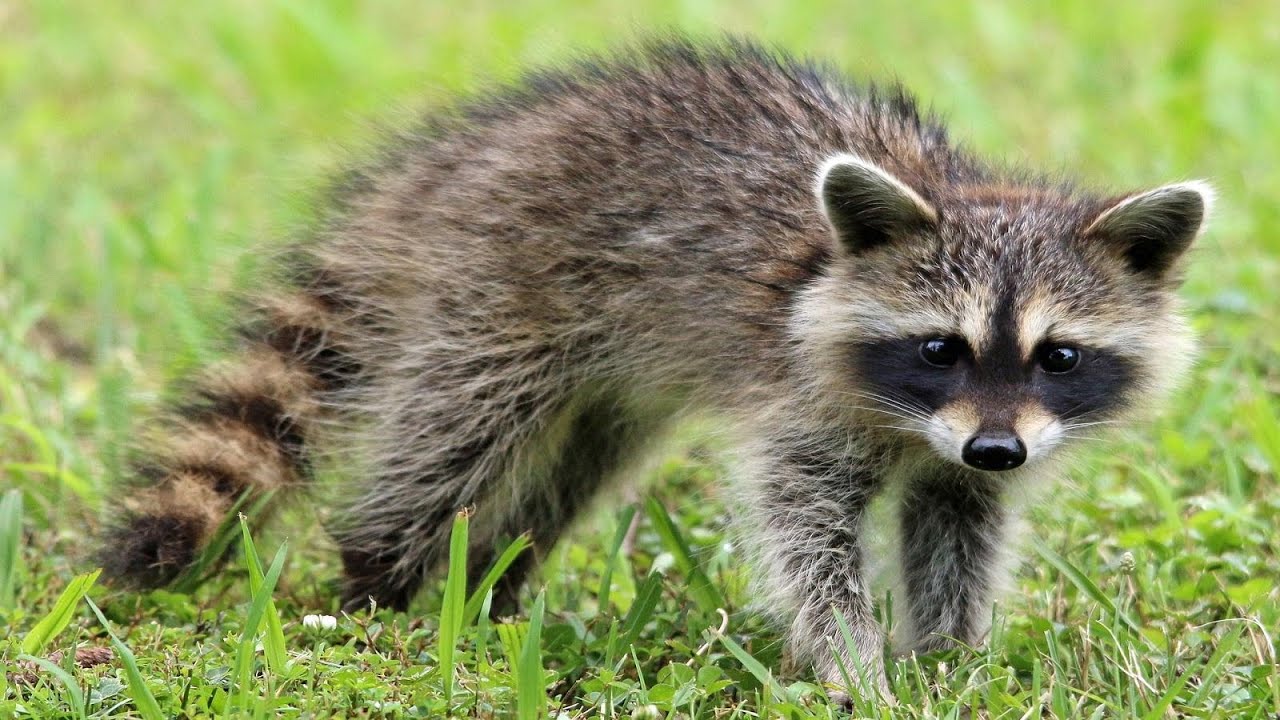
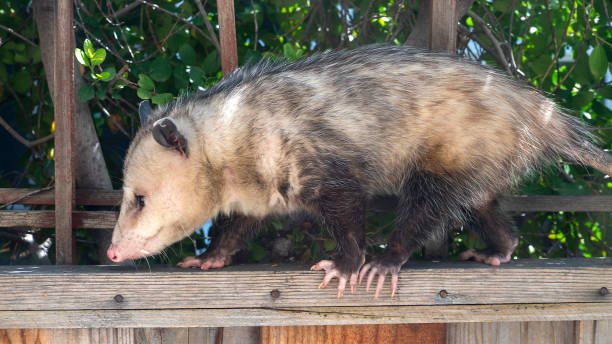
- Animal noises or signs of nesting. Squirrels, birds, raccoons, and other wildlife treat unprotected chimneys as ready-made dens. A nest anywhere in your flue is a serious blockage and a fire hazard.
- A visible white staining (efflorescence) on the exterior masonry. This indicates moisture is penetrating the chimney structure, which can accelerate cracking and deterioration.
Any one of these signs is enough to call a chimney sweep before your next fire. Do not burn through a blocked or heavily fouled chimney hoping it will clear itself. It will not, and the risk of a chimney fire or carbon monoxide backup is real.
What a Professional Chimney Sweep Actually Does
A lot of homeowners picture a chimney sweep as someone who drops a brush down the flue and calls it done. The reality is considerably more thorough, and the inspection component is just as important as the cleaning itself.
During a standard Level 1 inspection and sweep, a certified technician will:
- Visually inspect the firebox, smoke shelf, damper, flue, and chimney crown for damage and deterioration
- Check for blockages, including animal nests, debris, or collapsed flue tiles
- Remove creosote, soot, and buildup from the entire flue using professional brushes and a high-powered vacuum system
- Clear the firebox and smoke chamber of ash and debris
- Inspect the flue liner for cracks, gaps, or missing sections
- Check the chimney cap and crown for damage that could allow water infiltration
- Document any findings and flag any repairs needed
The whole process typically takes 45 minutes to an hour for a standard single-flue chimney. The cost of a professional sweep generally runs between $126 and $356 nationally, with the average around $240. That is a small number when measured against the cost of a chimney fire, which can cause tens of thousands of dollars in structural damage and render a home temporarily uninhabitable.
When Is the Best Time of Year to Get Your Chimney Swept in Alamance County?
This is one of the most common questions local homeowners ask, and the honest answer is that the best time is whenever you will actually schedule it and follow through. That said, there are practical reasons why certain times of year work better than others.
Late Summer or Early Fall (August to October)
This is the most popular window, and for good reason. Getting your chimney swept before the burning season means you are heading into fall and winter with a clean, inspected system. You catch any issues, including moisture damage from summer or animals that moved in over the warm months, before you light your first fire of the season. Booking in late summer also means you beat the fall rush, when chimney sweep schedules fill up quickly across Alamance County as temperatures drop and homeowners scramble to get ready.
Spring (March to May)
Spring sweeping makes sense for a different reason. If you burned regularly through the winter, a spring sweep removes the creosote and soot before it sits in a warm, humid chimney all summer. Damp heat amplifies the smell of creosote, and that acrid odor will work its way into your living space through the summer if the flue is not cleaned.
The Key Point
Do not wait until December when every chimney sweep in Burlington and the surrounding area is booked out two weeks. Schedule in September at the latest if you plan to use your fireplace regularly that winter.
Factors That May Mean You Need More Frequent Sweeps
The once-a-year baseline is a minimum, not a ceiling. These factors can mean your chimney needs attention more than once per year:
- Burning unseasoned or wet wood. Green wood has high moisture content, which produces far more smoke and far more creosote per fire than well-dried, seasoned hardwood.
- Slow, smoldering fires. A hot, well-oxygenated fire burns more completely and deposits less creosote. A slow, smoldering fire produces more unburned particulates.
- An older chimney or one without a liner. Older masonry chimneys that lack a properly fitted stainless steel liner have more surface area and irregular surfaces that collect deposits faster.
- A chimney that has had a fire before. Even a contained chimney fire changes the profile of your flue. Cracked tiles and damaged liner sections collect more buildup.
- Animals nesting regularly in your chimney. If raccoons, squirrels, or birds treat your flue as a regular home, inspect more often and invest in a quality chimney cap.
Carbon Monoxide: The Hidden Risk Nobody Talks About Enough
Creosote and chimney fires get most of the attention, but a blocked or poorly maintained chimney presents a second serious threat: carbon monoxide. CO is colorless and odorless. You cannot smell it, see it, or taste it. A blocked flue, a cracked liner, or a faulty damper can cause combustion gases, including CO, to back up into your living space instead of venting safely outside.
Carbon monoxide poisoning is the number one cause of poisoning deaths in the United States. A working carbon monoxide detector is essential in any home with a fuel-burning fireplace, and it should be tested regularly. But it is not a substitute for a properly maintained chimney.
Important: If your CO detector sounds an alarm, leave the home immediately and call 911. Do not attempt to identify the source yourself.
Gas Fireplaces Still Need Annual Inspections
A common misconception among homeowners is that gas fireplaces require no maintenance because they do not produce creosote. While it is true that gas combustion does not create the same organic deposits as wood burning, gas fireplaces still need annual attention.
A certified technician will check the venting system for blockages or damage, inspect the gas connections, examine the burner and ignition system, and look for any signs of cracking or deterioration in the firebox. A bird nest, a wasp nest, or debris accumulated in the vent cap is just as dangerous in a gas system as in a wood-burning one. Annual inspection is not optional for gas fireplaces either.
My Recommendation for Alamance County Homeowners
I recommend treating your annual chimney sweep the same way you treat an oil change for your car. It is not something you do because something is wrong. You do it to make sure something does not go wrong. It is routine, it is affordable, and skipping it carries consequences that are entirely out of proportion to the cost of the service.
If you live in Burlington, Graham, Mebane, or anywhere in Alamance County and you used your fireplace at all last winter, do not wait until November to think about your chimney. Book your sweep in September at the latest. If you burn regularly, burn unseasoned wood, or have not had your chimney inspected in more than a year, move it up the list now.
Look for a chimney sweep certified by the Chimney Safety Institute of America (CSIA) or a member of the National Chimney Sweep Guild. Certified sweeps follow industry standards, carry proper insurance, and will give you a written report of findings rather than just taking your money and leaving.
Your fireplace is one of the best features of your home. Keep it that way.