A straightforward guide for Burlington, Graham, Mebane, and Alamance County homeowners
Yes, you really need one. A chimney cap is one of the least expensive, most effective ways to protect your entire chimney system from water damage, animal intrusion, debris, and fire risk. A quality stainless steel cap costs between $150 and $350 installed. The repairs it prevents can cost anywhere from $500 to $15,000. The math makes this a simple decision.
Most homeowners never think about the very top of their chimney. It sits up there, out of sight, doing its job in the rain, through summer humidity, and into whatever Alamance County’s winter decides to throw at it. That is exactly why a chimney cap matters so much. No one is watching what goes into that open flue when you are not looking, and without a cap in place, quite a lot can get in.
This guide explains exactly what a chimney cap is, what it protects against, and why going without one is a gamble that rarely pays off.
What Is a Chimney Cap?
A chimney cap is a metal cover installed at the very top of your chimney flue. It sits over the flue opening and is held in place either by the flue tile itself or by mounting brackets on the chimney crown. Most caps consist of a flat or slightly domed metal lid supported by sidewalls made of wire mesh, which allows smoke and combustion gases to escape freely while blocking everything else from getting in.
Chimney caps are most commonly made from:
- Stainless steel: The best all-around choice for most homes. Highly resistant to rust and corrosion, holds up well in the heat and humidity of a North Carolina climate, and can last the life of the chimney when properly installed.
- Copper: The premium option. Extremely durable, naturally corrosion-resistant, and visually striking as it develops a patina over time. Higher upfront cost but exceptional longevity.
- Galvanized steel: The budget option. Less expensive but prone to rust, especially in humid climates. Typically needs replacing every few years and is not recommended as a long-term solution.
- Aluminum: Lightweight and affordable but tends to warp and bend over time. Not the strongest choice for areas that see wind and temperature swings.
It is worth noting the difference between a chimney cap and a chimney crown. The crown is the concrete or mortar surface at the very top of the masonry that seals around the flue. The cap sits on top of the crown, covering the flue opening itself. Both serve protective roles but are separate components. A damaged crown with a good cap still lets water into the masonry. A good crown with no cap still leaves the flue wide open.

What a Chimney Cap Actually Does
A well-installed chimney cap handles five distinct jobs at once, and each one prevents a specific and costly problem.
1. Keeps Water Out of Your Flue
Water is the most destructive force acting on your chimney system over time. Every time it rains without a cap in place, water falls directly down the flue. From there it attacks the flue liner, the damper, the firebox, and the surrounding masonry. Brick and mortar are porous and absorb moisture readily. In a climate like Alamance County’s, where temperatures swing between winter freezes and humid summer heat, that moisture expands and contracts with every cycle, cracking mortar joints and spalling brick faces from the inside out.
Water damage is behind many of the most expensive chimney repairs homeowners face. Liner replacement alone runs $2,500 to $7,000. A full chimney rebuild from water-related structural failure can reach $10,000 to $20,000. A $300 chimney cap is a direct investment against these outcomes.
A clogged or failed damper is also frequently traced back to water exposure. Dampers corrode and warp when repeatedly soaked, and a stuck or poorly sealing damper lets drafts in, heat out, and raises your energy bills every month the fireplace is not in use.
2. Keeps Animals Out
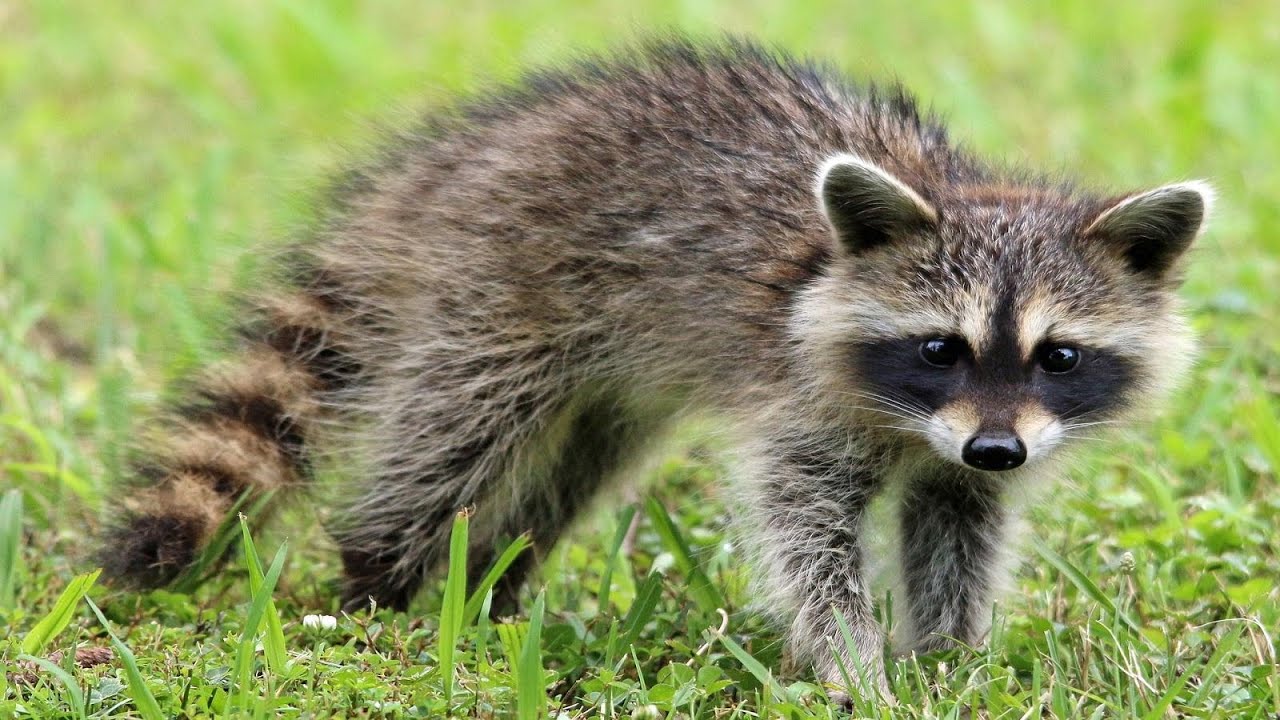
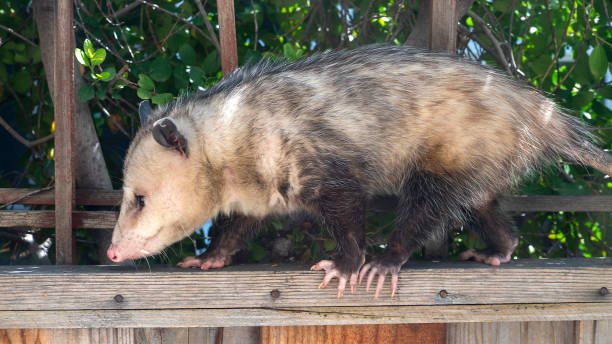
An uncapped chimney is, from an animal’s perspective, a hollow tree. It is warm, dark, protected from predators, and elevated. Raccoons use chimneys as maternity dens, often giving birth directly on the smoke shelf or damper. Squirrels build nests in the flue. Birds, particularly chimney swifts, are federally protected under the Migratory Bird Treaty Act, which means once they nest in an unprotected chimney, you legally cannot disturb the nest until the birds have left on their own. That can mean weeks of waiting, an unusable fireplace, and a significant cleanup before the season begins.
Animal nests in a chimney flue are also a direct fire hazard. Dry nesting material, leaves, and twigs sitting in the flue can ignite the first time you light a fire. Animals that die inside an uncapped chimney leave behind an odor problem that can take weeks to fully clear, and the carcass and associated parasites make their way into the living space if not handled professionally.
The wire mesh sides of a standard chimney cap eliminate all of these scenarios with a one-time installation.
3. Blocks Debris
Alamance County has no shortage of mature trees, and a chimney without a cap collects whatever falls from them. Leaves, twigs, acorns, pine needles, and bark accumulate in the flue over a season. Beyond creating a potential fire hazard when you light your first fire of the year, debris buildup restricts airflow through the flue. Restricted airflow means smoke does not draw properly, which means it backs up into your living room, and which also accelerates creosote buildup on the flue walls. A cap keeps the flue clean between sweeps.
4. Prevents Downdrafts
A downdraft is what happens when wind pushes air down your chimney instead of allowing the natural draft to draw upward. Without a cap, a strong gust of wind from the right direction can send a blast of cold air, soot, and odors into your living room even with the damper closed. In summer, warm humid air drawn down through the flue by exhaust fans inside the home carries creosote fumes into the living space, which creates a persistent burned smell that many homeowners mistakenly blame on other causes.
A properly designed chimney cap creates a slight baffle effect, redirecting wind around the flue opening rather than down it. This smooths out the draft, reduces backdrafts when the fireplace is in use, and helps the system draw more cleanly and efficiently.
5. Acts as a Spark Arrestor
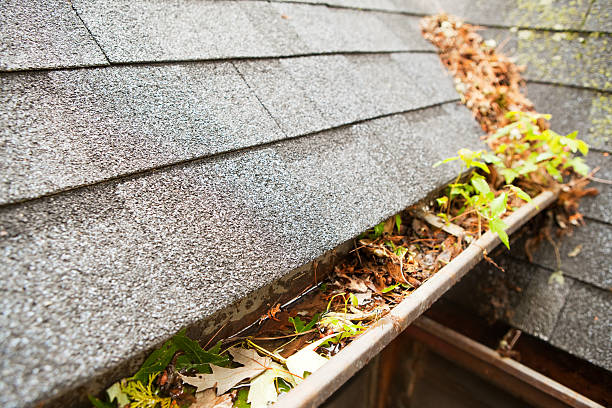
When a wood fire burns, it sends sparks and live embers up the flue along with the smoke. Without a cap, those embers exit directly onto your roof. Wooden roof decking, dry shingles, leaves in gutters, and any combustible material on or near the roofline are all vulnerable. The mesh sides of a chimney cap catch and contain those embers before they can land anywhere dangerous.
This is not a theoretical concern. The NFPA specifically identifies escaped embers as a fire risk for wood-burning systems, and many local fire codes in North Carolina require spark-arresting chimney caps on open fireplaces for exactly this reason.
Do You Need a Chimney Cap If You Have a Gas Fireplace?
Yes. A gas fireplace does not produce creosote or sparks the way a wood-burning system does, but the chimney flue above it is still fully exposed to everything outside. Rain still enters. Birds still nest. Squirrels still explore. Debris still accumulates. A blocked gas flue prevents combustion gases from venting safely outside, which is a carbon monoxide risk regardless of what fuel you burn. The cap protects the system. The fuel type does not change that.
Signs Your Chimney Cap Needs Replacing
Chimney caps do not last forever, and a damaged or missing cap offers little more protection than no cap at all. Have your cap inspected during your annual chimney sweep and watch for these signs that a replacement is due:
- Rust staining running down the exterior of your chimney from the flue opening, indicating a corroded cap or no cap at all
- Water in the firebox after rain, particularly if the damper is closed
- Animal sounds or nesting debris dropping down into the firebox
- A persistent burned or musty smell from the fireplace in summer, when no fire has been lit
- Visible damage to the cap itself during a roofline inspection: bent mesh, a cracked or missing lid, or a cap that has shifted off-center
- Smoke backing into the room more than usual, which can indicate debris blocking the flue or a damaged cap disrupting the draft
A galvanized steel cap may show signs of failure within three to five years. A quality stainless steel cap, properly installed and checked annually, should last decades without issue.
Cap vs. Crown vs. Damper: Knowing What You Have
These three terms come up together often and cause genuine confusion. Here is a quick reference:
- Chimney cap: The metal cover with mesh sides sitting over the flue opening at the very top of the chimney. Protects against water, animals, debris, downdrafts, and sparks.
- Chimney crown: The concrete or mortar slab at the top of the masonry structure that surrounds and supports the flue tile. Seals the top surface of the chimney against water infiltration into the brick. A cracked crown lets water into the masonry even if the cap is intact.
- Chimney damper: The metal plate inside the flue, operated from the fireplace, that opens and closes to control airflow. A top-mounted damper replaces a traditional throat damper and sits at the top of the flue, combining the function of a damper with some of the weather protection of a cap.
All three work together. A chimney cap does not substitute for a sound crown, and neither substitutes for a functioning damper. Your certified chimney sweep can assess all three during an annual inspection.
My Recommendation for Alamance County Homeowners
If your chimney does not have a cap right now, I would put this at the top of your home maintenance list. Not next season. This season. Every rain that falls without a cap in place is doing quiet work inside your flue, and North Carolina’s humid summers are not gentle on unprotected masonry.
If your chimney already has a cap, ask your sweep to inspect it during your next annual cleaning. A cap that has been in place for more than five to seven years on a galvanized system, or that has never been checked, may be failing in ways that are not visible from the ground.
The cost of a good stainless steel cap installed by a certified professional typically runs $150 to $350. That is a straightforward trade against a flue liner replacement, a masonry rebuild, or a wildlife removal and remediation job. I have seen all three result from skipping this one small component, and none of them are cheap or quick to fix.
Take care of the cap and the cap will take care of the chimney.