Do you ever wonder what can go up a chimney down? You might think it’s impossible, but there are actually quite a few things that can make their way up in an unexpected direction.
From Santa Claus squeezing through narrow spaces to birds and small animals finding their way inside, there is no shortage of surprises when it comes to chimneys.
Balloons filled with helium can also defy gravity and float upwards, creating a whimsical sight. And let’s not forget about the smoke that billows out and rises into the air, leaving behind its distinct smell.
Even ash and soot can find their way back up the chimney after settling down. Insects and spider webs may also climb up through the opening, making for an unwelcome surprise for anyone trying to enjoy a cozy fire.
So get ready to explore the fascinating world of what goes up when it should be going down!
Key Takeaways
- Santa Claus is able to maneuver down chimneys with ease, bringing joy to children.
- Birds and other small animals may accidentally enter chimneys while searching for warmth or shelter.
- Balloons and helium-filled objects can enter chimneys, potentially causing blockages or posing a fire hazard.
- Smoke and ash from fireplaces should be properly handled and disposed of to prevent respiratory issues and hazards.
Santa Claus
Santa Claus is the jolly old fellow who can shimmy down a chimney with ease to deliver presents on Christmas Eve. He’s got a twinkle in his eye and a belly that shakes like a bowl full of jelly. When Santa arrives at your house, you better believe he knows how to make an entrance. With a hearty ‘Ho, Ho, Ho!’ and a wink of his eye, he squeezes himself through the narrowest of spaces and slides down into your living room.
As Santa makes his way down the chimney, he doesn’t let anything stop him. He’s mastered the art of maneuvering around obstacles like soot and ashes. His red suit might get a little dirty, but Santa doesn’t mind. He knows that bringing joy to children all around the world is worth getting a little dirty for.
Once inside your home, Santa wastes no time getting to work. He tiptoes across the room with expert precision, making sure not to wake anyone up. With every step he takes, it’s as if magic fills the air. The sound of sleigh bells rings softly in your ears as you catch a glimpse of him placing presents under the tree.
Before you know it, Santa is back up the chimney and off to his next destination. As you watch him disappear into the night sky, you can’t help but feel grateful for this magical moment. You know that even though Santa may be gone, his spirit will always remain in your heart.
So next Christmas Eve when you hear those sleigh bells ringing and see that twinkle in Santa’s eye, remember just how incredible it is that he can go up a chimney down with such grace and ease – spreading joy and happiness wherever he goes.
Birds and other small animals
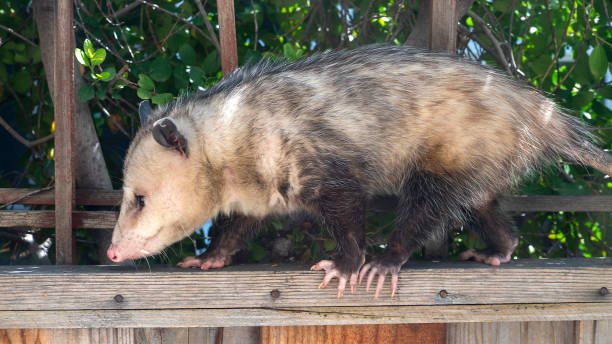
Birds and other small critters often find their way into the narrow confines of a chimney, causing quite the commotion. It’s not uncommon to hear flapping wings or scratching sounds coming from your fireplace. So, what exactly can go up a chimney down?
- Birds: These feathered creatures are notorious for exploring chimneys. They may build nests or get trapped while searching for warmth or shelter. Their chirping can echo through your house, creating a symphony of nature indoors.
- Squirrels: These agile acrobats are known for their ability to climb trees, but sometimes they end up in the wrong place – your chimney! Once inside, they may scramble around trying to escape, making an absolute mess.
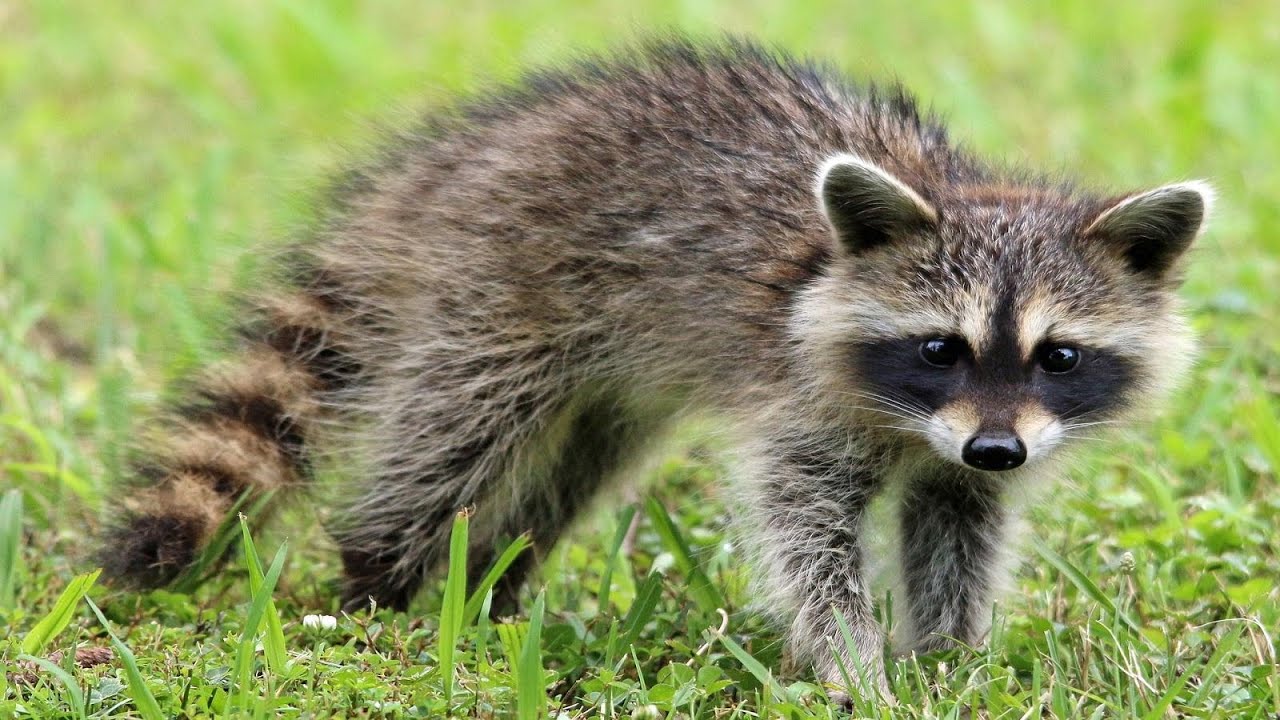
- Raccoons: With their dexterous paws and curious nature, raccoons can venture into chimneys seeking refuge or food. Their presence can be alarming due to their size and potential for damage.
- Bats: While associated with spooky settings, bats can mistakenly fly into chimneys during their nightly hunts for insects. The sight of these nocturnal creatures fluttering around your living room might give you a fright!
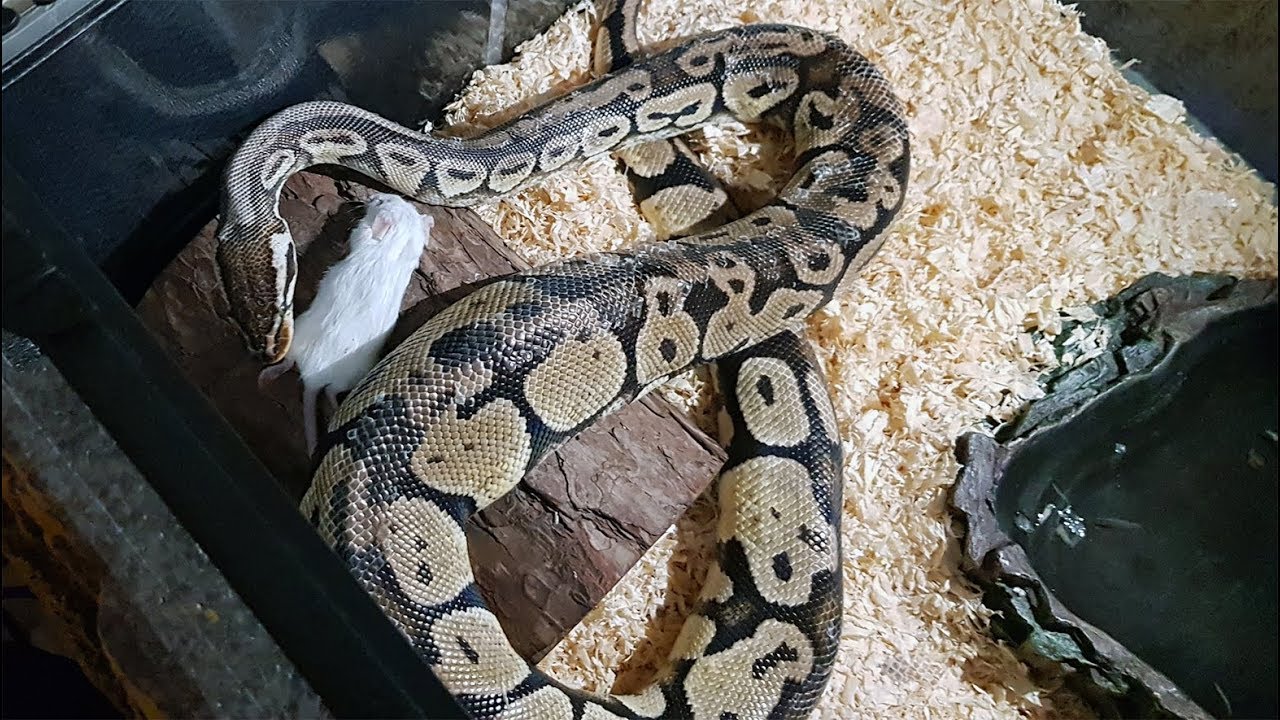
- Snakes: Although not as common as other animals on this list, snakes have been known to slither down chimneys in search of prey or shelter. If you come across one in your fireplace, it’s best to call a professional.
In conclusion, birds and other small animals often find themselves caught in the narrow spaces of chimneys. While it may cause chaos and surprise homeowners when they discover unexpected guests in their fireplaces, it’s important to handle these situations with care and seek professional assistance if needed.
Balloons and helium-filled objects
When you try to release helium-filled balloons into the air, they may end up floating into your chimney and causing a potential hazard. Balloons and other helium-filled objects can be easily carried by the wind and find their way into unexpected places. Chimneys, with their open tops, are an inviting target for these floating objects.
Once a balloon enters your chimney, it can cause blockages or restrictions in airflow. This is especially dangerous if you have a fireplace or a wood-burning stove. The blocked chimney prevents smoke from escaping properly and increases the risk of carbon monoxide poisoning inside your home. Carbon monoxide is an odorless gas that can be deadly when inhaled.
In addition to blocking the chimney, helium-filled balloons pose another risk – fire. If there is a lit fire in your fireplace or stove, the balloon could come into contact with the flames and catch fire itself. This not only poses a danger to your home but also increases the risk of starting a larger fire that could spread throughout your house.
To prevent these hazards, it’s crucial to be mindful when releasing balloons outdoors. Make sure to securely tie them down or dispose of them properly after use. Avoid releasing them near chimneys or any other potential obstructions that they could get caught on.
By being responsible with helium-filled objects like balloons, you can help ensure the safety of both yourself and others around you. So next time you plan on sending something up into the air, remember to take precautions and avoid sending it down someone else’s chimney unintentionally!
Smoke
Be cautious, as you may not realize the potential danger that smoke can pose when it lingers in your home. Smoke, although seemingly harmless, can actually be quite hazardous if not properly handled. When smoke from a fire enters your chimney and begins to rise, it is crucial to ensure that it does not linger for too long.
Smoke is made up of tiny particles and chemicals that can be harmful when inhaled. Breathing in smoke can irritate your respiratory system and cause coughing, shortness of breath, and even lung damage. It can also trigger allergies and asthma attacks in susceptible individuals.
To help you understand the dangers of lingering smoke, let’s imagine a scenario using a 3×3 table:
| 1 | 2 | 3 |
| 4 | 5 | 6 |
| 7 | 8 | 9 |
In this scenario, each number represents a room in your house. Let’s say there is a fire on the first floor of your home (room 5). The smoke starts rising through the chimney but gets trapped on the second floor (rooms 2 and 8), creating a dangerous situation where rooms filled with toxic air become inaccessible.
Therefore, it is important to have proper ventilation systems in place to allow smoke to escape quickly and efficiently up the chimney. Regular maintenance of your chimney will also help prevent any blockages or build-up that could hinder the flow of smoke.
Remember, while chimneys are designed to safely channel smoke out of your home, it is essential to remain vigilant about its potential dangers. By being aware of how lingering smoke can pose risks and taking appropriate measures to address them, you can ensure the safety and well-being of yourself and your loved ones.
Ash and soot
Getting rid of the ash and soot from your fireplace can be a messy task, but it’s worth it for a cozy and clean home. As you clean out the fireplace, you’ll notice that ash and soot tend to get everywhere, so be prepared with gloves and a dust mask. Here are four important things to keep in mind when dealing with ash and soot:
- Safety first: Before starting any cleaning process, make sure the ashes are completely cool. Hot ashes can cause burns or even start a fire if not handled properly.
- Use proper tools: Invest in a quality ash shovel or scoop to remove the bulk of the ashes from your fireplace. This will make the job easier and prevent unnecessary mess.
- Dispose of ashes properly: Once you’ve removed the majority of ashes, transfer them into a metal container specifically designed for ash disposal. Never use plastic bags or containers as they can melt if there are still hot embers present.
- Clean up thoroughly: After removing most of the ashes, use a vacuum cleaner specially designed for fine particles like ash and soot to clean up any remaining residue. Be sure to check your vacuum’s specifications before using it for this purpose.
By following these guidelines, you can effectively manage and dispose of ash and soot from your fireplace without creating unnecessary mess or risking safety hazards. Remember to always prioritize safety when dealing with fire-related tasks in your home.
Debris and leaves
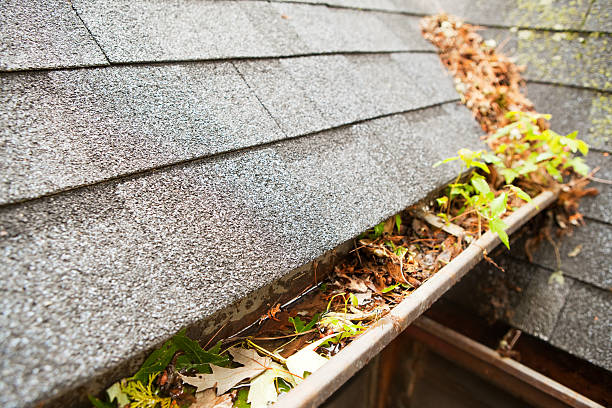
Clearing out debris and leaves from your fireplace can transform it into a picturesque haven, with the crackling flames dancing among a pristine setting. As you look at the table below, imagine how satisfying it would be to remove all those unwanted elements and restore your chimney to its former glory.
| Debris | Leaves |
|---|---|
| Twigs | Fallen leaves |
| Dust | Branches |
| Cobwebs | Pine needles |
The task of removing debris and leaves may seem daunting at first, but with the right tools and a little bit of elbow grease, it can be easily accomplished. Start by using a small broom or brush to sweep away any loose twigs, dust, and cobwebs that have accumulated inside the fireplace. Be sure to wear gloves to protect your hands from any potential sharp objects.
Next, focus on removing fallen leaves and branches that may have found their way into your chimney. Use a sturdy pair of tongs or fireplace shovel to carefully lift out these larger items. Take caution not to damage the interior of your chimney while doing so.
Once all the debris and leaves have been cleared away, take a moment to appreciate the clean and inviting space you’ve created. Your fireplace is now ready for cozy nights spent curled up by the fire, enveloped in its warmth.
Remember to regularly clean out debris and leaves from your fireplace to ensure proper ventilation and prevent potential hazards. By maintaining this simple routine, you can continue enjoying all the benefits of having a well-functioning chimney in your home.
Downdrafts and wind
Downdrafts occur when wind blows down the chimney instead of up, creating a reverse airflow. This can be caused by various factors such as nearby tall buildings or trees, improper chimney design, or strong winds. To prevent downdrafts, one effective solution is installing a chimney cap. A chimney cap acts as a barrier against wind and rain while still allowing smoke and gases to escape. It also prevents debris from entering the chimney and causing blockages.
Another way to combat downdrafts is by using a damper. A damper is a device located at the top of the fireplace that controls the airflow. By adjusting the position of the damper, you can regulate how much air enters and exits the chimney. During windy conditions, it’s recommended to partially close the damper to reduce downdrafts.
If these solutions don’t completely eliminate downdrafts, you can try using draft inducers or fans specifically designed for chimneys. These devices create positive pressure within the flue system, pushing any potential downdraft back up and out of the chimney.
In addition to these measures, it’s important to ensure that your chimney is properly maintained and regularly inspected by a professional. Any cracks or damage in the flue lining can increase the likelihood of downdrafts occurring.
By taking these precautions and implementing preventative measures, you can enjoy your fireplace without worrying about pesky downdrafts ruining your cozy atmosphere. So sit back, relax, and let nothing stop you from enjoying that warm crackling fire on even the windiest days!
Chimney sweeps and their equipment
To truly appreciate the artistry of a chimney sweep, you’ll need to witness their meticulous work and the array of specialized tools they employ. These skilled professionals are experts at keeping your chimney clean and safe, ensuring that your home stays warm and cozy during the winter months.
One of the most important tools in a chimney sweep’s arsenal is the chimney brush. This long-handled brush is specifically designed to fit inside the narrow confines of a chimney flue. With its stiff bristles, it effectively removes soot, creosote, and other debris that can accumulate over time. The brushes come in various sizes to accommodate different types and sizes of chimneys.
In addition to brushes, chimney sweeps also use rods or poles to extend their reach further up the flue. By connecting several rods together, they can access even the highest parts of your chimney with ease. These rods are made from durable materials like fiberglass or metal, ensuring that they can withstand the rigors of frequent use.
To protect themselves from soot and other particles while working inside chimneys, sweeps wear specialized clothing called ‘chimney suits.’ These suits are typically made from flame-resistant materials and provide full-body coverage. They often include features like reinforced knees for added durability.
Other equipment used by chimney sweeps includes cameras that allow them to inspect hard-to-reach areas for cracks or damage, as well as vacuums specifically designed for cleaning out fireplaces and chimneys.
So next time you see a chimney sweep at work, take a moment to admire their craftsmanship and dedication. Their specialized tools enable them to do their job efficiently while keeping your home safe and warm throughout the year.
Spider webs and insects
As a chimney sweep, you never know what you’re going to find when you descend into the dark depths of a chimney. From soot and debris to lost treasures, it’s a job full of surprises. And one unexpected discovery that often awaits us is the presence of spider webs and insects.
These eight-legged creatures seem to have an uncanny ability to weave their intricate webs in the most inaccessible corners of chimneys. As you navigate through the narrow passageways, your brush encounters these sticky traps, prompting you to carefully remove them bit by bit. You can’t help but admire the craftsmanship of these arachnids, even though they may give some people the creeps.
But spiders are not alone in making their home inside chimneys; insects also seek refuge in these lofty places. From beetles and ants to bees and wasps, they all find solace within the warm confines of a chimney. As you inch closer with your tools, it becomes evident that clearing out these unwanted guests requires both skill and patience.
Here are three ways spiders and insects pose challenges for chimney sweeps:
- Dealing with delicate spider webs without damaging the structure.
- Avoiding stings or bites from startled insects while working.
- Ensuring proper removal of nests without disturbing other wildlife that may have taken up residence.
Navigating through spider webs and dealing with buzzing insects is just another day on the job for a seasoned chimney sweep like yourself. With determination and expertise, you conquer this challenge every time, leaving behind clean chimneys free from any unwanted visitors.
Fireplace tools and accessories
Get ready to wield your fireplace tools and unleash the power of these essential accessories. When it comes to maintaining a well-functioning fireplace, having the right tools and accessories is crucial.
One of the most important tools is a sturdy fireplace poker. This long metal rod with a pointed end allows you to safely move burning logs and adjust their position in the fire. With a poker in hand, you can easily rearrange the logs to ensure optimal airflow and keep the fire burning bright.
Another indispensable tool is the trusty ash shovel. As fires burn, they create ashes that need to be removed regularly for better combustion. The ash shovel helps you scoop up these ashes efficiently and dispose of them properly. By removing excess ash, you prevent it from building up and obstructing airflow inside your chimney.
A set of fireplace tongs is also essential for any fireplace owner. These tongs allow you to safely grab hot logs or reposition them without getting too close to the flames. With their sturdy grip, you can easily maneuver logs around, ensuring they burn evenly and produce maximum heat.
Lastly, don’t forget about the handy hearth brush and dustpan combo. After each use, your fireplace can accumulate debris such as soot or small pieces of wood that fall out during burning. The hearth brush allows you to sweep away this debris into the dustpan for easy disposal.
In conclusion, having proper fireplace tools and accessories not only enhances your fire-building experience but also ensures safety and efficient operation of your fireplace. So grab those pokers, shovels, tongs, brushes, and dustpans – it’s time to make your next fire even more enjoyable!
Chimney liners and insulation
Now let’s dive into the world of chimney liners and insulation. These essential components can make your fireplace experience even better.
Chimney liners are a vital part of any fireplace system. They serve as a protective barrier between the heat and gases produced by the fire and the surrounding structure of your home. Without a chimney liner, these high temperatures and potentially harmful gases could seep into your walls, causing damage over time.
Liners also help to improve the efficiency of your fireplace by creating a smooth passage for smoke and hot air to exit, reducing the risk of creosote buildup.
Insulation is another key component in maintaining a safe and efficient fireplace. It helps to minimize heat transfer from the flue to surrounding materials, preventing excessive heating that could potentially lead to fires. Insulating your chimney not only protects your home but also ensures that you get the most out of your fireplace by keeping more heat inside rather than allowing it to escape through the chimney.
There are different types of chimney liners and insulation materials available, each with its own set of advantages. Stainless steel liners are durable and suitable for both wood-burning and gas fireplaces. Clay tile liners offer excellent protection against acidic condensation but may crack over time due to temperature fluctuations. Insulation materials can include vermiculite or perlite mixes that provide excellent heat resistance.
To ensure optimal performance, it’s important to have professionals assess your chimney liner and insulation requirements based on factors such as fuel type, flue size, and local building codes. Investing in quality chimney liners and proper insulation not only enhances safety but also improves energy efficiency, making your fireplace experience cozy while minimizing potential hazards.
Magic and illusions
Prepare to be amazed by the world of magic and illusions, where reality becomes a spellbinding spectacle. From mind-boggling card tricks to mind-reading acts, magicians have the power to captivate audiences and leave them questioning what they just witnessed. So, grab your seat and get ready for an unforgettable journey into the realm of magic.
But how do magicians create such incredible illusions? It’s all about mastering the art of misdirection. By diverting your attention away from their secret techniques, they are able to make impossible things happen right before your eyes. It’s like watching a magician perform a disappearing act – you’re left wondering how it was done.
To give you a taste of the magic that awaits, take a look at this mesmerizing table:
| Trick | Description | Explanation |
|---|---|---|
| Levitation | The magician floats in mid-air | Hidden wires or invisible platforms |
| Sawing in half | A person is cut in half | A deceptive box with hidden compartments |
| Mind reading | The magician knows your thoughts | Cleverly crafted psychological cues |
| Vanishing object | An object disappears into thin air | Sleight of hand or trap doors |
These are just a few examples of the countless tricks that magicians can perform. Each one requires hours of practice and precision to execute flawlessly. But remember, part of the fun is not knowing exactly how it’s done!
So sit back, relax, and let yourself be transported into a world where anything is possible. Prepare to have your mind blown as these skilled performers weave their spells and leave you questioning what’s real and what’s just an illusion.
Frequently Asked Questions
Can Santa Claus really fit down a chimney?
Yes, Santa Claus can fit down a chimney! He’s got magical powers and can make himself small enough to squeeze through. It’s amazing to see him in action on Christmas Eve!
How do birds and small animals get trapped in chimneys?
Birds and small animals often get trapped in chimneys when they accidentally fall or crawl inside. The narrow space and smooth walls make it difficult for them to escape. It’s important to have a chimney cap to prevent such incidents.
What happens if a balloon filled with helium is released up a chimney?
If you release a balloon filled with helium up a chimney, it will rise quickly due to the gas’s buoyancy. However, it may get stuck if the chimney is narrow or has obstacles.
How does smoke flow through a chimney?
Smoke flows through a chimney due to the difference in air pressure created by the heat of the fire. As hot air rises, it creates a draft that draws smoke up and out of the chimney.
Can debris and leaves cause a chimney fire?
Yes, debris and leaves can definitely cause a chimney fire. When they accumulate in the chimney, they can ignite and create a dangerous situation. Regular chimney maintenance is important to prevent such incidents.
Conclusion
So there you have it, now you know what can go up a chimney down. From Santa Claus and small animals to balloons and smoke, there are many things that defy gravity when it comes to chimneys.
Don’t forget about the ash and soot, spider webs and insects, fireplace tools and accessories, as well as chimney liners and insulation.
And who could forget the element of magic and illusions? Chimneys truly are fascinating structures with a world of possibilities!