Are you aware of the importance of regularly cleaning your chimney? Do you know how often you should be scheduling chimney inspections? If not, this article is here to provide you with all the information you need. Understanding the dangers of chimney build-up and knowing when to clean it can help maintain a safe and efficient heating system in your home.
By following recommended cleaning frequencies and recognizing signs that your chimney needs attention, you can prevent potential hazards such as chimney fires or carbon monoxide leaks. Regular maintenance also offers additional benefits like improved air quality and increased energy efficiency.
However, it’s essential to avoid common cleaning mistakes and properly use the right tools and products for the job. Whether you choose to do it yourself or hire a professional chimney sweep, this article will guide you through the process of keeping your chimney clean and well-maintained.
Key Takeaways
- Regular chimney cleaning is important to prevent chimney fires, remove creosote buildup, ensure proper airflow, and identify potential issues.
- Neglecting chimney maintenance can lead to increased risks of chimney fires, carbon monoxide poisoning, structural damage, and deterioration of brickwork.
- The recommended frequency for chimney inspections is annual for regular fireplace use and biennial for occasional use, but individual circumstances may vary.
- Factors affecting cleaning frequency include the frequency of fireplace or stove use, type of fuel burned, age and condition of the chimney, and environmental factors.
The Importance of Regular Chimney Cleaning
Regular chimney cleaning is essential for maintaining a safe and efficient fireplace. Neglecting this task can lead to dangerous buildup of creosote and other flammable materials. By keeping your chimney clean, you can prevent potential hazards and ensure proper functioning of your fireplace.
One of the main reasons for regular chimney cleaning is to remove creosote buildup. Creosote is a sticky substance that forms when wood or fossil fuels are burned. Over time, it accumulates on the inner walls of the chimney and can cause blockages. Regular cleaning helps remove this highly flammable material and prevents its buildup.
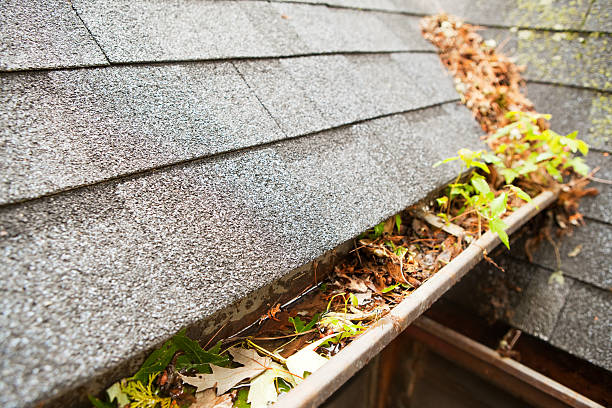
In addition to creosote, there may be other debris such as leaves, twigs, or bird nests in your chimney. These obstructions hinder proper airflow and ventilation, leading to poor combustion and increased smoke inside your home. Regular cleaning clears away these blockages, allowing for better air circulation.
Another reason for regular chimney cleaning is to identify potential damage or issues early on. During the cleaning process, a professional technician can inspect the condition of your chimney for signs of wear and tear, cracks, or loose bricks. Detecting these problems early can prevent them from escalating into more serious issues that compromise the safety of your entire fireplace system.
In conclusion, regular chimney cleaning is vital for maintaining safety and efficiency in your fireplace. It removes dangerous creosote buildup, clears obstructions, and allows for early detection of potential damage or issues. By scheduling routine cleanings with a professional technician, you can enjoy a warm and safe fireplace throughout the winter seasons.
Understanding Chimney Build-Up and Its Dangers
Occasionally, you may find yourself peering up at a dark and narrow passage that winds its way through your home, silently collecting a menacing layer of soot and debris. This buildup in your chimney can pose serious dangers if left unattended. Understanding the chimney build-up and its potential hazards is crucial to ensuring the safety of your home and family.
Here are three reasons why chimney build-up should not be taken lightly:
- Increased risk of chimney fires: Over time, the accumulation of creosote, a highly flammable substance formed from burning wood, can coat the inner walls of your chimney. As this layer thickens, it becomes more susceptible to catching fire. A single spark from burning embers or even excessive heat can ignite this creosote buildup, leading to a dangerous chimney fire that can quickly spread throughout your home.
- Carbon monoxide poisoning: Another perilous consequence of neglected chimney maintenance is the potential for carbon monoxide poisoning. When chimneys are blocked by debris or obstructions like bird nests or fallen branches, harmful gases such as carbon monoxide cannot escape properly. Instead, they seep back into your living space, putting you and your loved ones at risk of inhaling this odorless but deadly gas.
- Structural damage: Chimney build-up doesn’t just impact your safety; it can also harm the structure itself. The acidic nature of creosote can corrode metal components within the chimney system, leading to weakened integrity over time. Additionally, moisture trapped in the debris can cause brickwork to deteriorate prematurely. Ignoring regular cleaning and maintenance could result in costly repairs or even complete reconstruction.
In conclusion, understanding the dangers associated with chimney build-up is vital for maintaining a safe home environment. Regular cleaning and inspection by qualified professionals will help prevent these risks and ensure both the functionality and longevity of your chimney system. Don’t wait until disaster strikes – prioritize proper maintenance today!
Recommended Frequency for Chimney Inspections
It’s crucial to schedule routine chimney inspections to ensure the safety and longevity of your home, allowing professionals to detect any potential hazards or structural issues. Regular inspections not only help prevent costly repairs but also protect your family from the dangers associated with a neglected chimney.
So, how often should you have your chimney inspected? The recommended frequency for chimney inspections varies depending on several factors. According to the National Fire Protection Association (NFPA), chimneys should be inspected annually if they are used regularly. For homeowners who occasionally use their fireplace, an inspection every two years is usually sufficient. However, it’s important to note that these are general guidelines and may vary based on individual circumstances.
To better understand the importance of regular inspections, let’s take a look at some potential hazards that can arise from neglecting your chimney:
| Potential Hazards | |
|---|---|
| 1 | Creosote buildup |
| 2 | Cracked or deteriorating masonry |
| 3 | Animal nests or blockages |
| 4 | Damaged or malfunctioning dampers |
| 5 | Carbon monoxide leaks |
As you can see from the table above, neglecting chimney maintenance can lead to serious risks. Creosote buildup, for example, is highly flammable and can cause a dangerous chimney fire. Cracks in the masonry can compromise the structural integrity of your chimney and pose a threat to your home’s stability.
By scheduling routine inspections, you give professionals an opportunity to identify these potential hazards before they become major problems. Remember, prevention is always better than dealing with costly repairs or putting your family at risk.
So don’t wait until it’s too late – make sure you prioritize regular chimney inspections as part of your home maintenance routine!
Factors That Affect Cleaning Frequency
To determine how often you should have your chimney inspected, take into account various factors that can influence the frequency of cleaning. One important factor is how frequently you use your fireplace or stove. If you use it regularly, such as on a daily basis during the winter months, then it is recommended to have your chimney cleaned and inspected at least once a year. This will ensure that any soot, creosote, or other debris buildup is removed to prevent blockages and potential fire hazards.
Another factor to consider is the type of fuel you burn in your fireplace or stove. Different fuels produce different amounts of residue and byproducts that can accumulate in your chimney. For example, burning wood produces more creosote than burning gas or pellets. Therefore, if you primarily burn wood, it may be necessary to clean your chimney more frequently, perhaps twice a year.
The age and condition of your chimney also play a role in determining cleaning frequency. Older chimneys may have deteriorated over time, leading to increased risk of blockages or structural issues. In such cases, it’s important to have regular inspections and cleanings to address any potential problems before they become major issues.
Lastly, environmental factors can affect cleaning frequency as well. If you live in an area with high levels of air pollution or experience frequent storms that cause debris to enter your chimney, it may be necessary to clean it more often.
In conclusion, when determining how often to clean your chimney, consider factors such as usage frequency, fuel type, chimney condition, and environmental influences. Regular inspections and cleanings are essential for maintaining a safe and efficient fireplace or stove operation.
Signs That Your Chimney Needs Cleaning
If you’ve been neglecting your fireplace or stove, there are certain telltale signs that indicate it’s time for a chimney cleaning. Regular cleaning is essential to maintain the safety and efficiency of your chimney.
One sign that your chimney needs cleaning is the presence of a strong, unpleasant odor coming from your fireplace or stove. This odor can be caused by the buildup of creosote, a highly flammable substance that forms when wood burns.
Another sign to look out for is a large amount of smoke entering your home when you use your fireplace or stove. This could mean that there is an obstruction in your chimney, preventing the smoke from properly venting outside. It is important to address this issue promptly as it can lead to carbon monoxide poisoning.
Additionally, if you notice an excessive amount of soot and debris inside your fireplace or stove, it’s likely time for a cleaning. Soot buildup can restrict airflow and cause poor combustion, leading to decreased heating efficiency and increased risk of chimney fires.
Lastly, if you see any signs of animal activity such as nesting materials or droppings in your fireplace or hear scratching sounds coming from within the chimney, it’s crucial to have it cleaned immediately. Animals can create blockages and damage the structure of your chimney over time.
In conclusion, paying attention to these signs will help you determine when it’s necessary to clean your chimney for optimal performance and safety.
DIY Chimney Cleaning vs. Professional Services
If you’ve noticed any of the signs indicating that your chimney needs cleaning, it’s important to take action promptly. Now, you might be wondering whether you should tackle the task yourself or hire professional chimney cleaning services. Let’s explore the pros and cons of each option.
DIY chimney cleaning can be a cost-effective solution if you have the necessary tools and experience. It allows you to save money and gives you a sense of accomplishment. However, there are risks involved in attempting this task without proper knowledge. Chimney cleaning requires specialized equipment and expertise to ensure thorough removal of creosote buildup and other debris. Without these precautions, you could potentially damage your chimney or compromise its safety.
On the other hand, hiring professional services can offer peace of mind knowing that trained experts will handle the job safely and efficiently. They have access to advanced tools and techniques that guarantee a thorough clean while minimizing risks. Professional cleaners also possess the knowledge to identify potential issues that may require repairs or maintenance.
To provide a clear comparison between DIY cleaning and professional services, let’s take a look at this table:
| Aspect | DIY Cleaning | Professional Services |
|---|---|---|
| Cost | Lower | Higher |
| Expertise | Variable | Extensive |
| Safety | Risky without experience | Ensured by trained experts |
| Efficiency | Dependent on individual skill | Guaranteed by professionals |
Consider your budget, skills, time availability, and comfort level with potential risks when making a decision between DIY cleaning or professional services for your chimney maintenance needs.
Steps Involved in Chimney Cleaning
Ready to tackle the task of cleaning your chimney? Let’s dive into the steps involved in ensuring a safe and efficient maintenance process.
- First, gather all the necessary tools and equipment. You will need a chimney brush, drop cloth or tarp, ladder, flashlight, dust mask, goggles, gloves, and a bucket for collecting debris.
- Next, prepare the area around your fireplace by spreading a drop cloth or tarp to catch any falling soot or debris. This will make cleanup much easier later on.
- Before starting the actual cleaning process, make sure to wear protective gear such as a dust mask to avoid inhaling any harmful particles. Safety goggles and gloves are also essential to protect yourself from soot and other debris.
- Once you are properly equipped, climb up onto your roof using a sturdy ladder. Make sure someone is aware that you are on the roof for safety purposes.
- Carefully inspect the chimney from outside for any visible signs of damage or blockage. Look out for loose bricks or mortar as well as bird nests or leaves that may obstruct airflow. Remove any obstructions gently using your hands or a small brush.
- Now it’s time to clean the inside of the chimney using a chimney brush attached to an extension rod. Start at the top and work your way down in a scrubbing motion. Be thorough but gentle to avoid damaging the chimney lining.
- Finally, once you have finished brushing away all the soot and creosote buildup from inside the chimney, collect all debris in a bucket for proper disposal.
By following these steps carefully and regularly maintaining your chimney’s cleanliness, you can ensure its optimal performance while minimizing fire hazards.
Remember that if you are unsure about any step or feel uncomfortable doing it yourself, it’s always best to hire professional services who specialize in chimney cleaning. Stay safe!
Safety Precautions During Chimney Cleaning
During the process of maintaining your chimney, it’s crucial to prioritize safety by taking necessary precautions and wearing appropriate protective gear. Chimney cleaning can be a dirty and potentially dangerous task, so it’s important to follow safety guidelines to protect yourself from harm. Here are some key safety precautions you should take when cleaning your chimney:
- Wear Protective Gear: Before starting the cleaning process, make sure to wear appropriate protective gear such as gloves, goggles, and a dust mask. This will help shield you from harmful debris and chemicals that may be present in the chimney.
- Use a Ladder Safely: When accessing the roof or climbing up to reach the chimney, always use a sturdy ladder that is properly secured. Ensure that someone else is present nearby for added safety.
- Keep Fire Extinguisher Handy: It’s essential to have a fire extinguisher readily available in case of any unexpected fires during the cleaning process. Make sure it is easily accessible and in good working condition.
To further illustrate these precautions visually, here is a table outlining them:
| Safety Precautions | Description |
|---|---|
| Wear Protective Gear | Gloves, goggles, and dust masks should be worn for personal protection |
| Use a Ladder Safely | Securely position ladder while climbing up or down |
| Keep Fire Extinguisher Handy | Have an accessible fire extinguisher nearby |
By following these safety precautions and being prepared with the right protective gear, you can ensure a safe chimney cleaning experience for yourself and those around you.
Benefits of Regular Chimney Maintenance
Regular chimney maintenance has numerous advantages that can help prolong the lifespan of your chimney and ensure its optimal functionality. By regularly cleaning and maintaining your chimney, you can prevent a buildup of soot, creosote, and other debris that can obstruct the airflow and increase the risk of chimney fires.
Additionally, regular maintenance allows for early detection of any potential issues or damages to the chimney structure, which can be addressed before they become more serious and costly.
One of the key benefits of regular chimney maintenance is improved safety. A clean and well-maintained chimney reduces the risk of chimney fires caused by flammable materials accumulating in the flue. It also helps prevent carbon monoxide from backing up into your home, as a blocked or poorly functioning chimney can cause this deadly gas to enter your living space instead of being safely vented outside.
Furthermore, regular maintenance ensures optimal efficiency for your fireplace or wood-burning stove. When debris accumulates in the flue or damper, it restricts airflow and hampers proper combustion. This leads to reduced heat output and increased fuel consumption. By keeping your chimney clean and well-maintained, you can maximize heat efficiency while minimizing energy waste.
Regular chimney maintenance also helps extend the lifespan of your entire heating system. When soot or creosote builds up inside the walls of your chimney over time, it can corrode metal components like flue liners or dampers. By removing these harmful deposits through regular cleanings, you reduce wear and tear on these vital parts, ultimately extending their longevity.
In conclusion, investing in regular chimney maintenance offers several significant benefits including improved safety, enhanced heating efficiency, reduced energy consumption, and extended equipment lifespan. Don’t overlook this crucial aspect of home maintenance; schedule regular cleanings to enjoy these advantages year-round.
Common Chimney Cleaning Mistakes to Avoid
When maintaining your chimney, it’s important to avoid common mistakes that can lead to potential problems or accidents. One common mistake is not using the right tools or equipment for the job. Make sure to use a chimney brush designed for your type of chimney, along with other necessary tools like a vacuum cleaner and protective gear. Using improper tools can result in incomplete cleaning and fire hazards.
Another mistake to avoid is neglecting to inspect the chimney before cleaning it. Thoroughly examine your chimney for any signs of damage, such as cracks or loose bricks, before starting the cleaning process. Ignoring these issues can lead to further damage and costly repairs.
Proper technique is also essential when cleaning your chimney. Start from the top and work downwards, using slow and deliberate motions with the brush. Rushing through the process can leave behind debris or push it further down, causing blockages.
Lastly, don’t forget to remove all debris from inside your fireplace after cleaning. Leaving residue behind can pose a serious fire risk when you light another fire.
By being aware of these common mistakes and taking proper precautions, you can ensure the longevity of your chimney and keep your home safe from potential hazards.
Chimney Cleaning Tools and Products
To effectively maintain your chimney, it’s important to have the right tools and products at hand. Cleaning a chimney requires specific equipment that is designed to safely remove creosote buildup and other debris. Here are some essential chimney cleaning tools and products you should consider:
- Chimney Brush: A must-have tool for cleaning your chimney, it consists of stiff bristles attached to a long rod. This allows you to reach deep into the flue and scrub away soot and creosote. Make sure to choose a brush size that matches the dimensions of your chimney.
- Rods and Extension Pipes: These are used in conjunction with the chimney brush to extend its reach further up the flue. Having extra rods or extension pipes on hand ensures that you can clean even tall chimneys without difficulty.
- Creosote Remover: Regularly using a creosote remover helps break down this highly flammable substance that can accumulate inside your chimney over time. Look for products specifically designed for creosote removal.
Having these tools and products readily available will make your chimney cleaning process much more efficient and effective.
Remember, regular maintenance is crucial for keeping your fireplace safe and functioning properly. So, invest in these essentials, follow proper safety guidelines, and enjoy cozy fires without worry about potential hazards caused by an uncleaned chimney.
Hiring a Professional Chimney Sweep: What to Consider
When it comes to ensuring the safety and efficiency of your fireplace, hiring a professional chimney sweep can provide peace of mind and expert care. While cleaning your own chimney may seem like a cost-effective option, there are several important factors to consider before taking on the task yourself.
Firstly, a professional chimney sweep has the knowledge and experience to thoroughly clean your chimney. They are trained in identifying potential hazards such as creosote buildup, which can lead to dangerous chimney fires if not properly addressed. By hiring a professional, you can trust that they will take all necessary precautions to keep your home safe.
Additionally, professional chimney sweeps have access to specialized tools and equipment that are designed for effective and efficient cleaning. These tools allow them to reach deep into the chimney flue and remove any debris or obstructions that may be present. Attempting to clean your own chimney without these tools could result in incomplete cleaning or damage to the interior of the flue.
Another benefit of hiring a professional is their ability to spot any potential issues with your fireplace or chimney system. They can identify areas where repairs may be needed or offer recommendations for improving the overall efficiency of your fireplace. This level of expertise can save you money in the long run by preventing costly repairs or addressing small problems before they become major ones.
In conclusion, when it comes to maintaining the safety and efficiency of your fireplace, hiring a professional chimney sweep is highly recommended. Their expertise, specialized tools, and ability to identify potential issues make them an invaluable resource for keeping your home warm and secure during those cozy winter nights. So sit back, relax, and let the professionals take care of your chimney cleaning needs.
Frequently Asked Questions
How much does it cost to hire a professional chimney sweep?
The cost of hiring a professional chimney sweep can vary depending on factors like location and the size of your chimney. It’s best to get quotes from different companies to find the most affordable option for you.
Can I clean my chimney myself if I have no experience?
Yes, you can clean your chimney yourself even with no experience. However, it is recommended to hire a professional for safety reasons. Cleaning should be done annually to prevent build-up and ensure proper functioning.
What are the dangers of not cleaning my chimney regularly?
Not cleaning your chimney regularly can lead to dangerous consequences. Creosote buildup can ignite and cause a chimney fire, while blocked chimneys can result in carbon monoxide poisoning. Regular cleaning is essential for safety.
Are there any health risks associated with a dirty chimney?
Yes, there are health risks associated with a dirty chimney. The buildup of creosote and soot can release harmful pollutants into your home, leading to respiratory problems and even carbon monoxide poisoning.
How long does it typically take to clean a chimney professionally?
It typically takes a professional chimney cleaner around 1-2 hours to clean a chimney thoroughly. They use specialized tools and techniques to remove built-up soot, debris, and any potential blockages for optimal performance and safety.
Conclusion
In conclusion, regular chimney cleaning is essential for maintaining a safe and efficient fireplace or heating system. By understanding the build-up of creosote and other debris in your chimney, you can prevent potential dangers such as chimney fires or carbon monoxide leaks.
The recommended frequency for chimney inspections will depend on various factors, but it is generally advised to have your chimney cleaned at least once a year. Remember to look out for signs that indicate your chimney needs cleaning and consider hiring a professional chimney sweep for thorough maintenance.
Stay proactive in keeping your chimney clean to enjoy its benefits and avoid common cleaning mistakes.